
The biggest and best Hatters Expedition, yet (probably). Having run successful expeditions on the continents of Africa and South America, Asia felt like the obvious next step. The big question, how to keep out of heat and humidity. The obvious answer, get up high. That’s how we ended up in the Indian Himalaya for the best few weeks of our lives.
You can read all about our expedition below, plus, you should definitely check out this amazing video put together by one of the young people who attended the expedition – Himalaya Expedition 2023 (youtube.com)
Here is a PDF version of a presentation deck put together by 4 of the young people:
Astonishingly, this expedition started in 2019, or at least, that’s when all the planning was done. The plan for 2022 was pushed back 12 months because of where the world was in 2021. At times throughout the fundraising journey, planning and replanning of this trip of a lifetime, it felt like it was going to take a lifetime to see it realised.

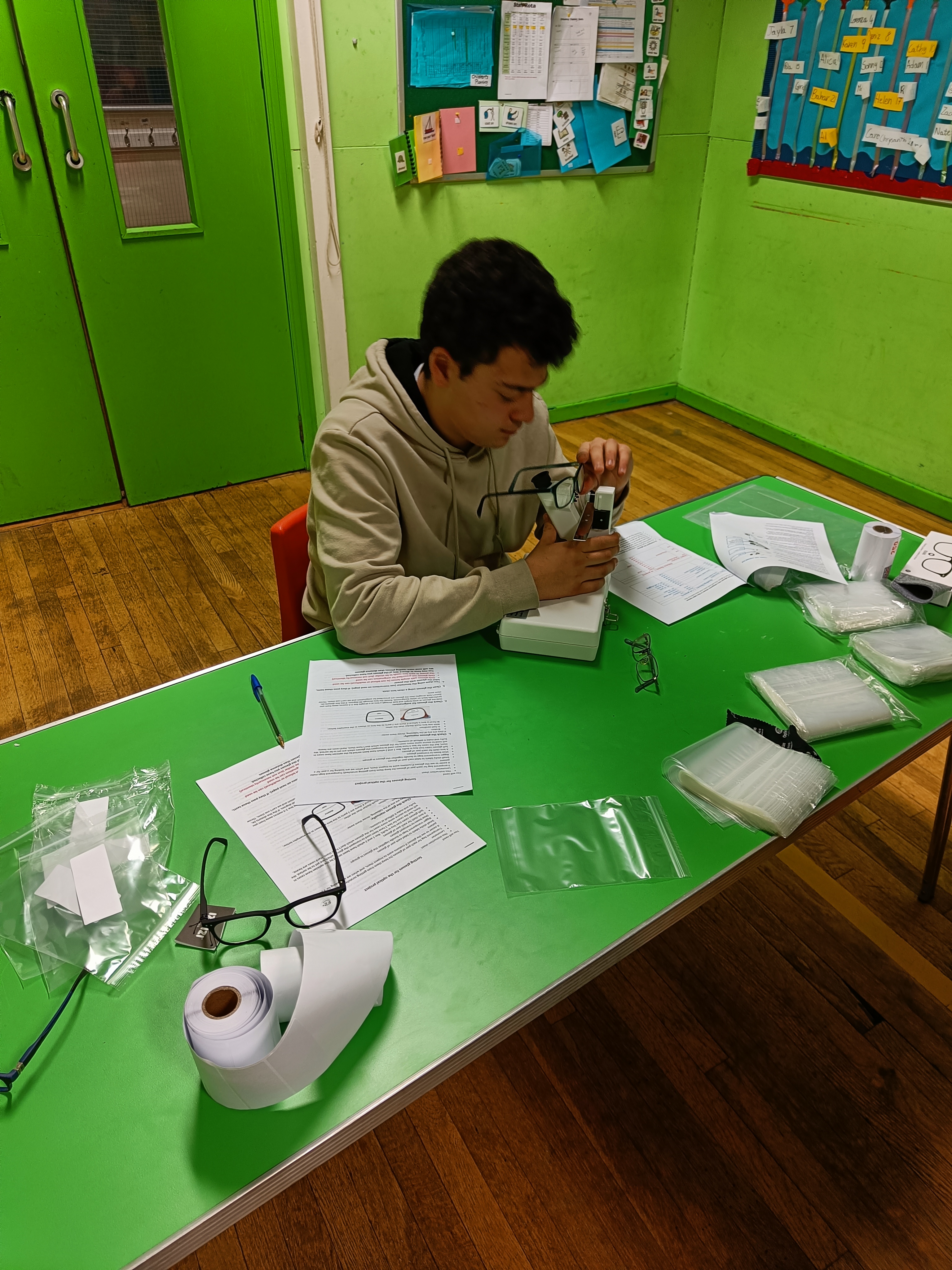
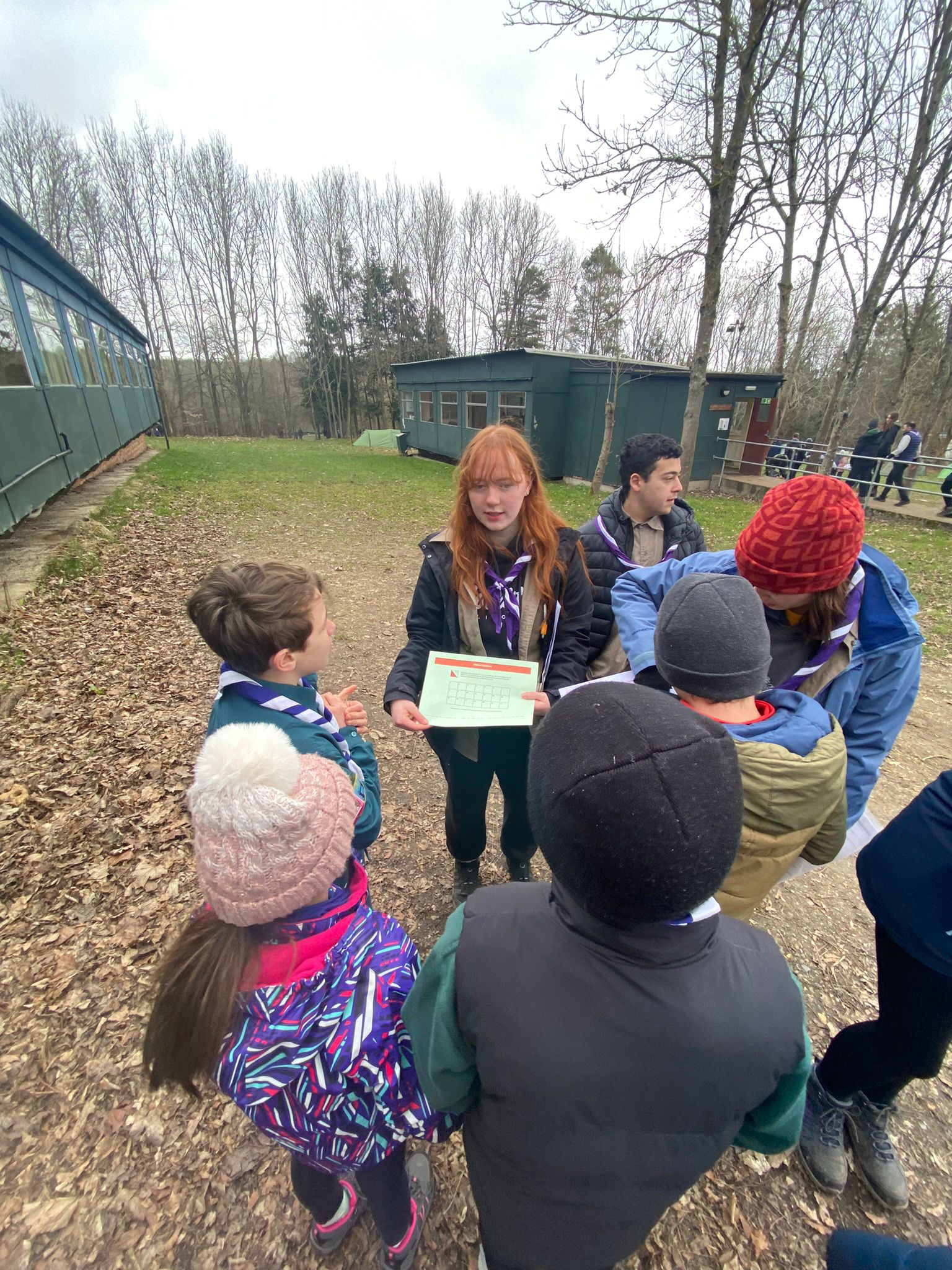

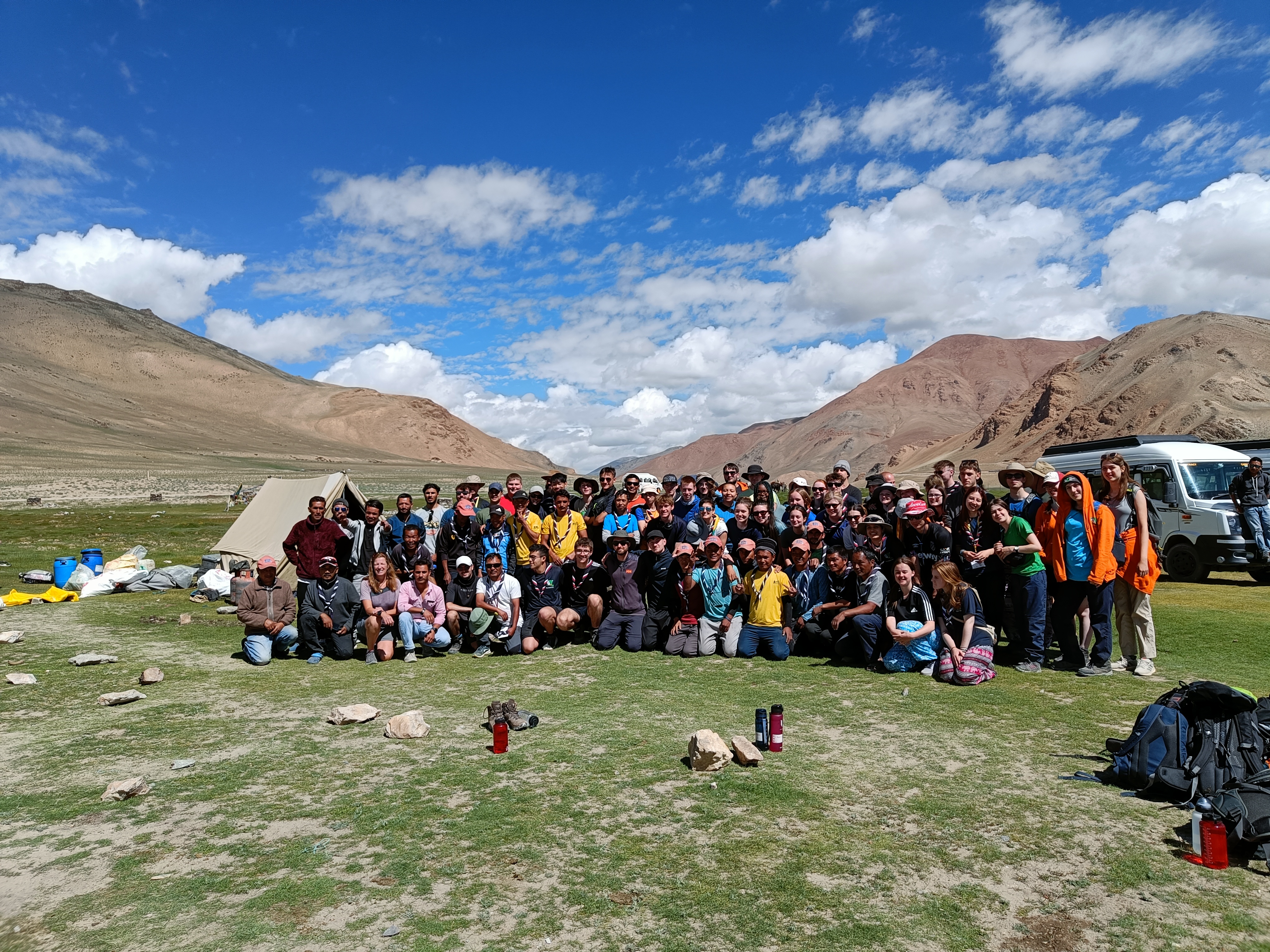


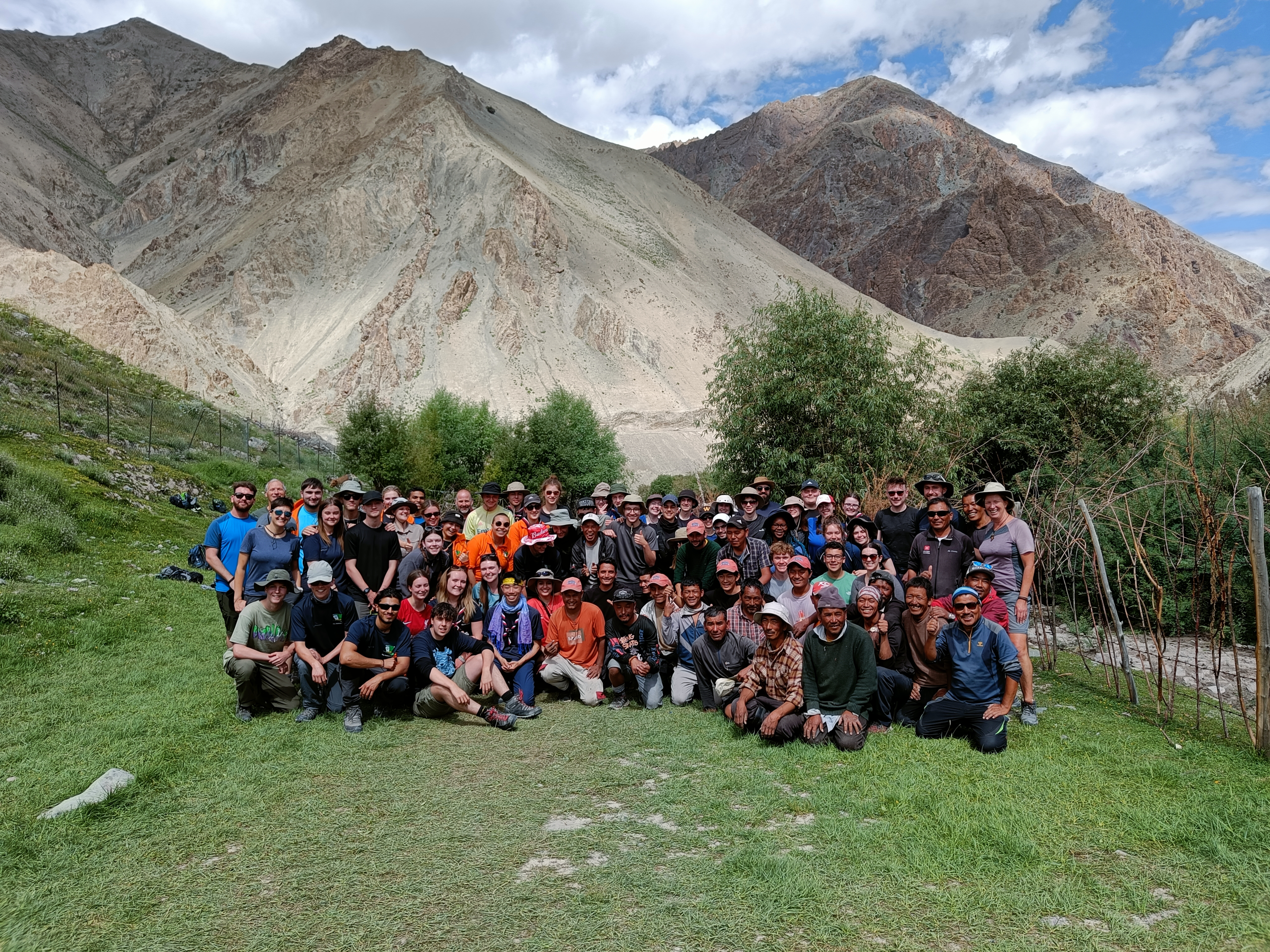
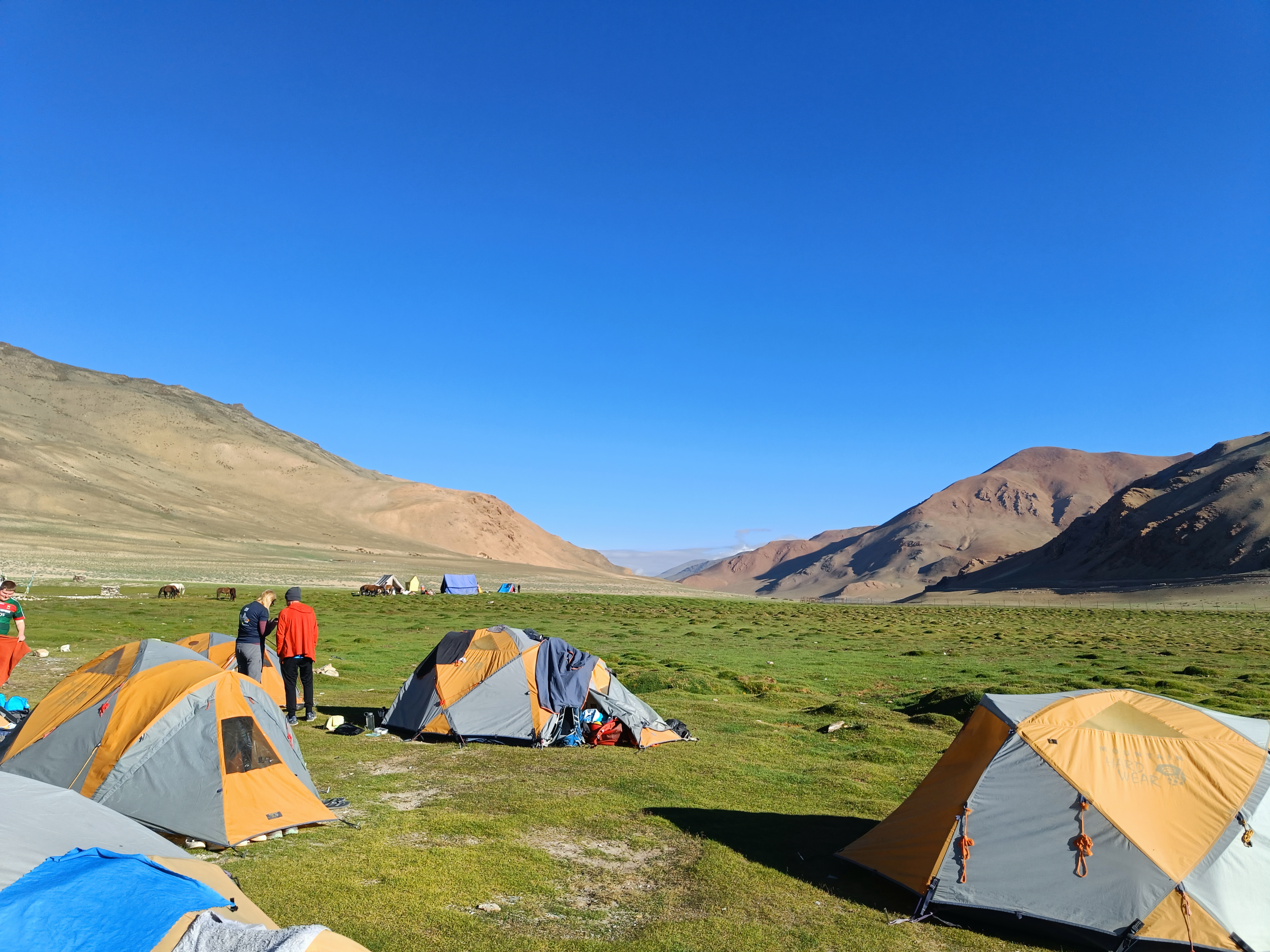
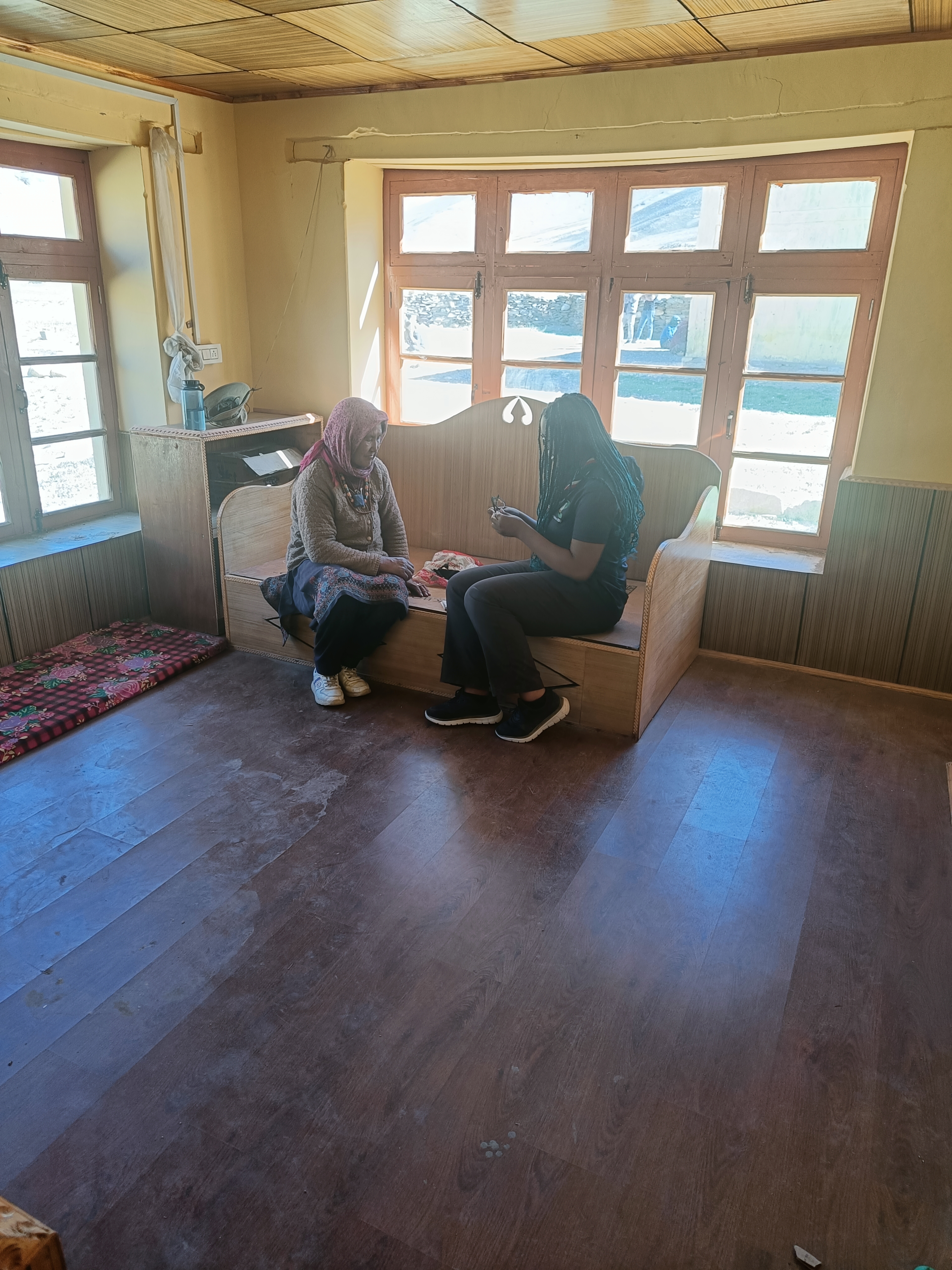
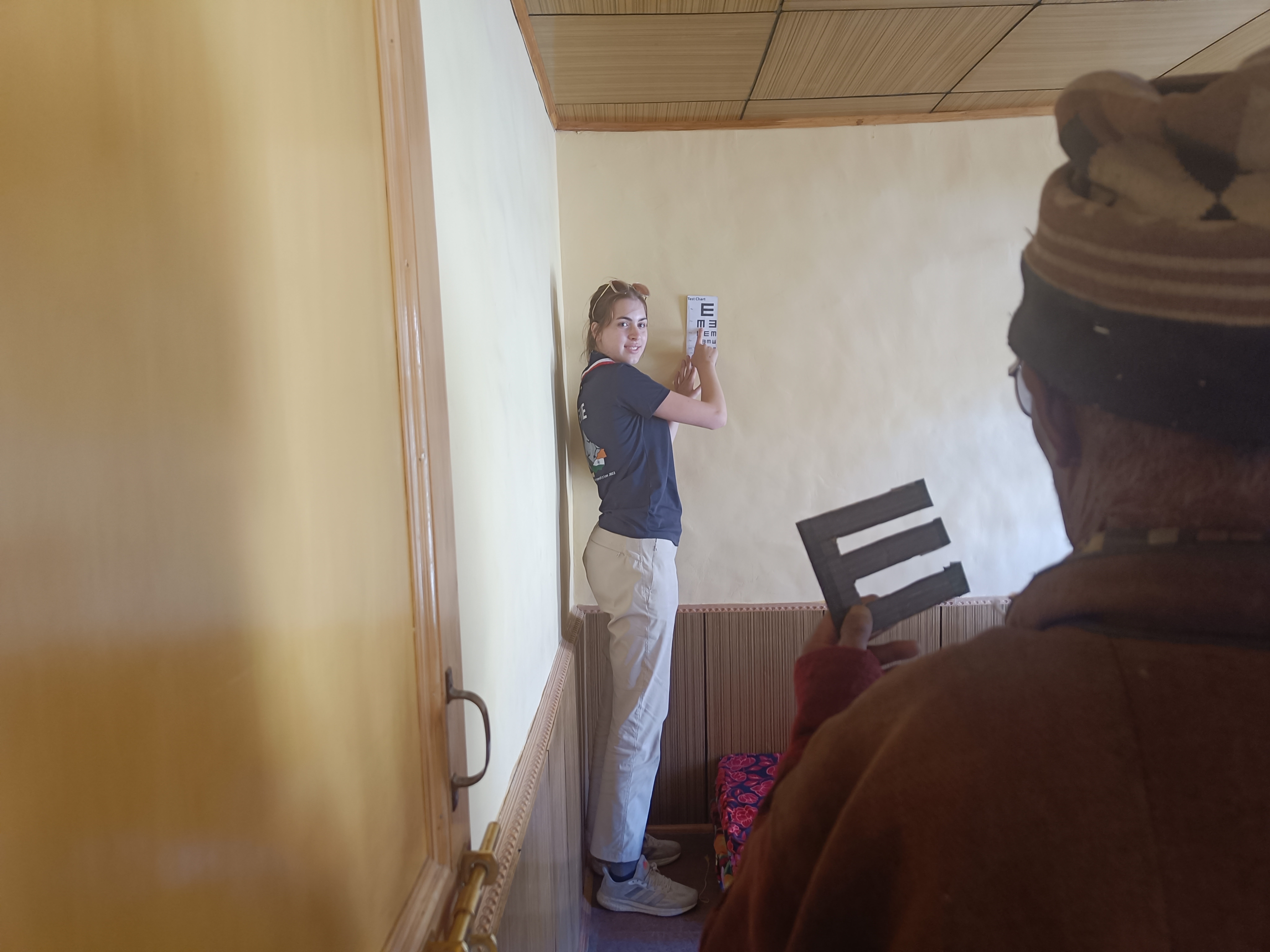
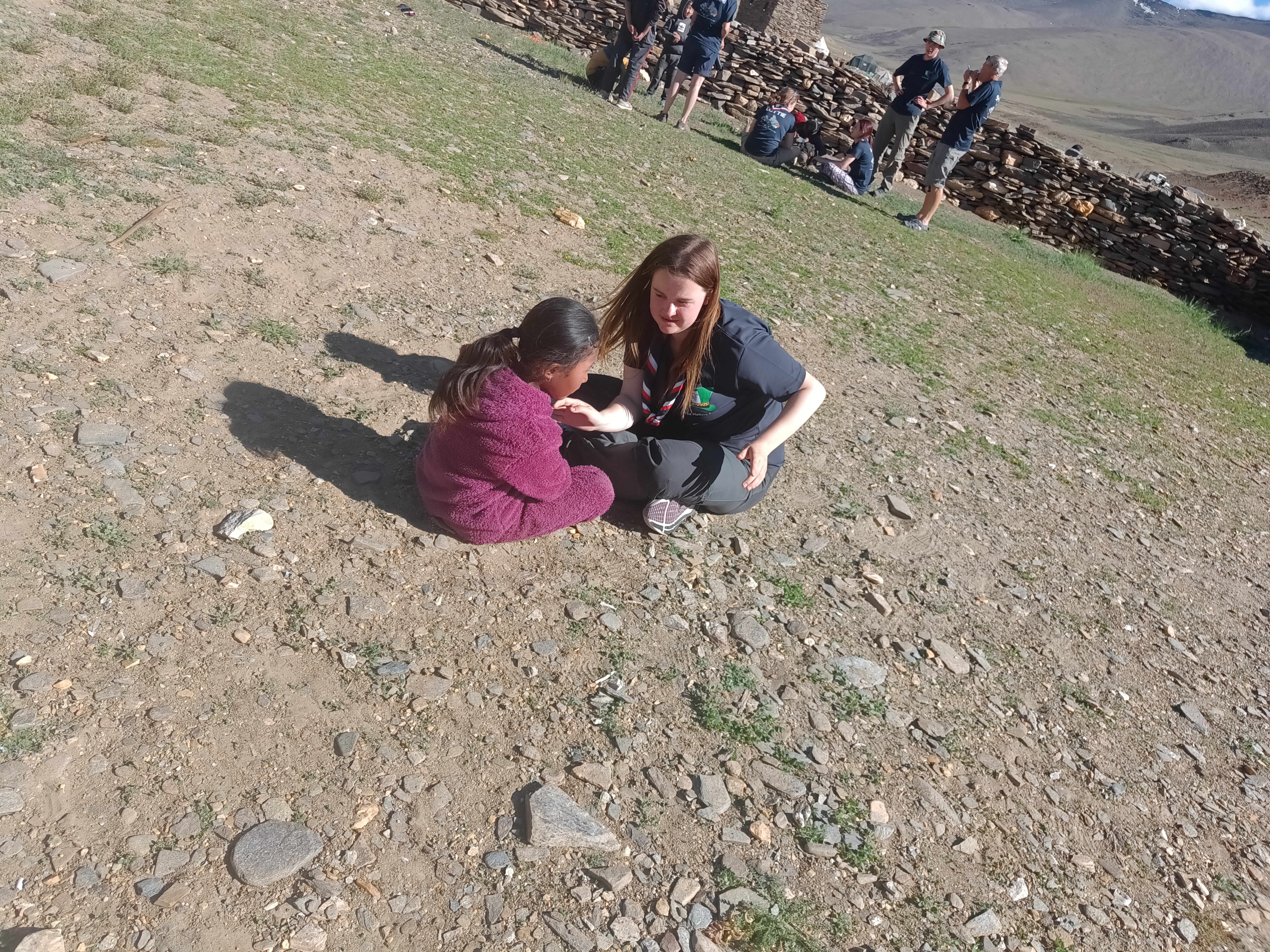
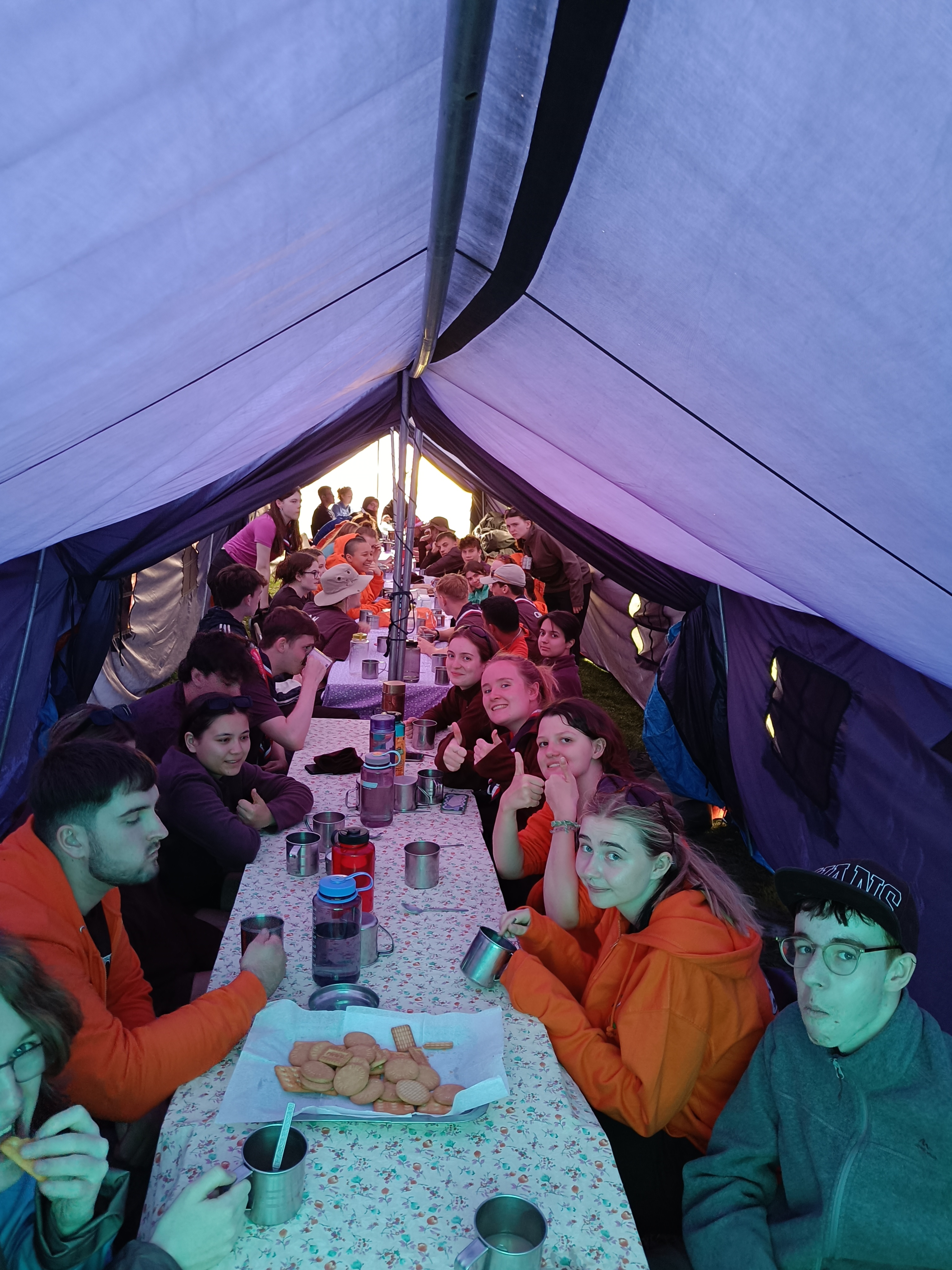
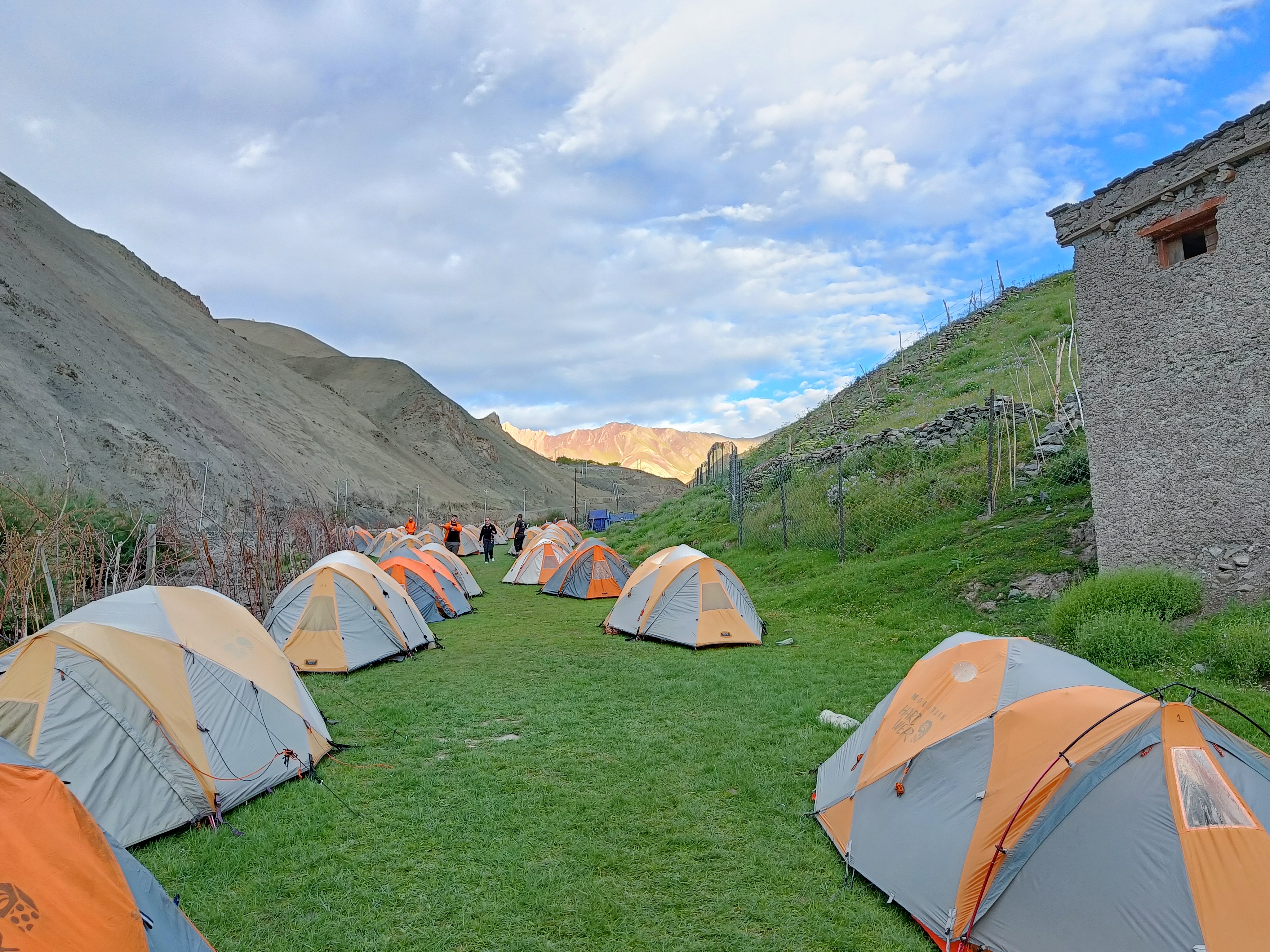

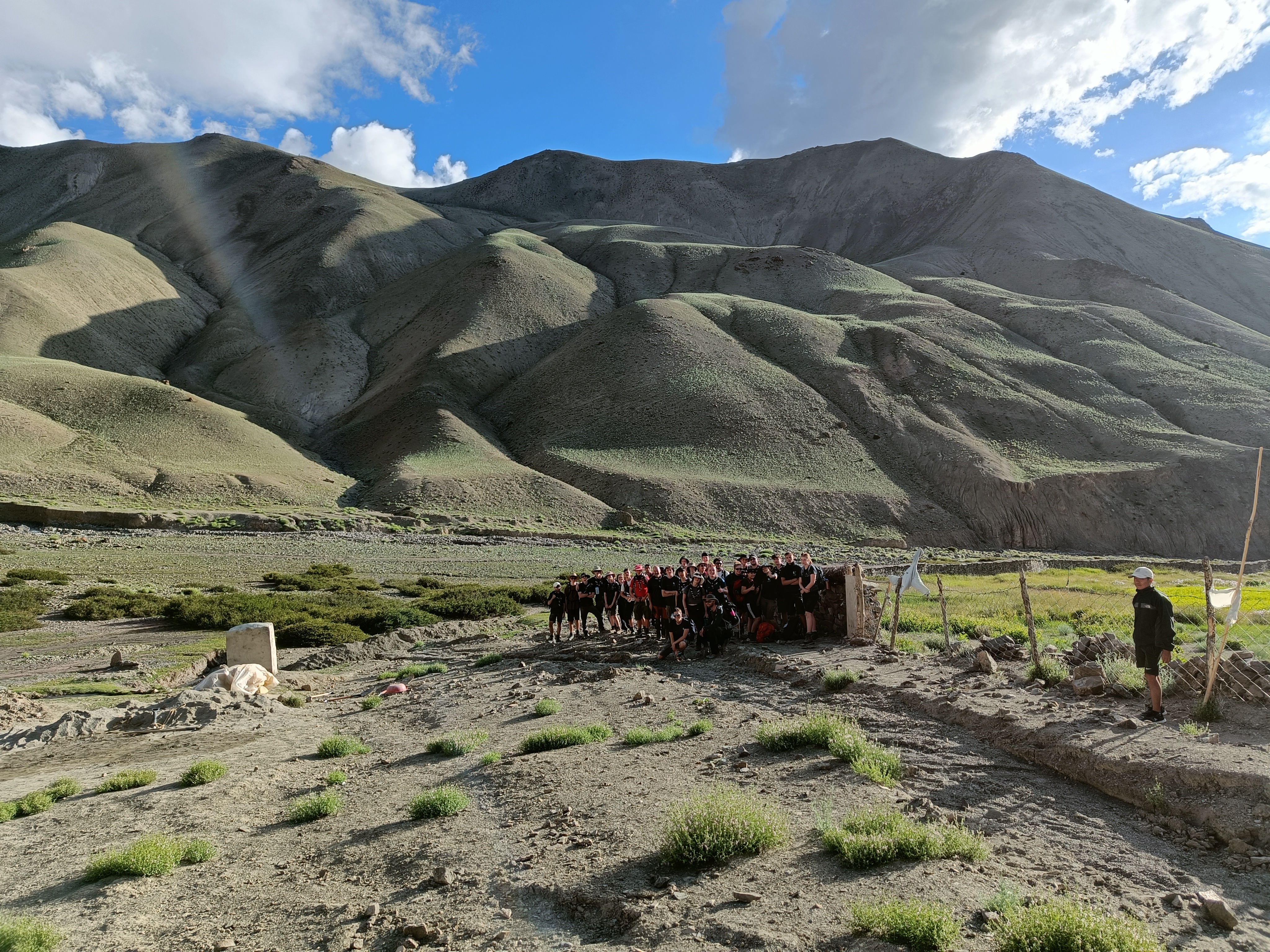


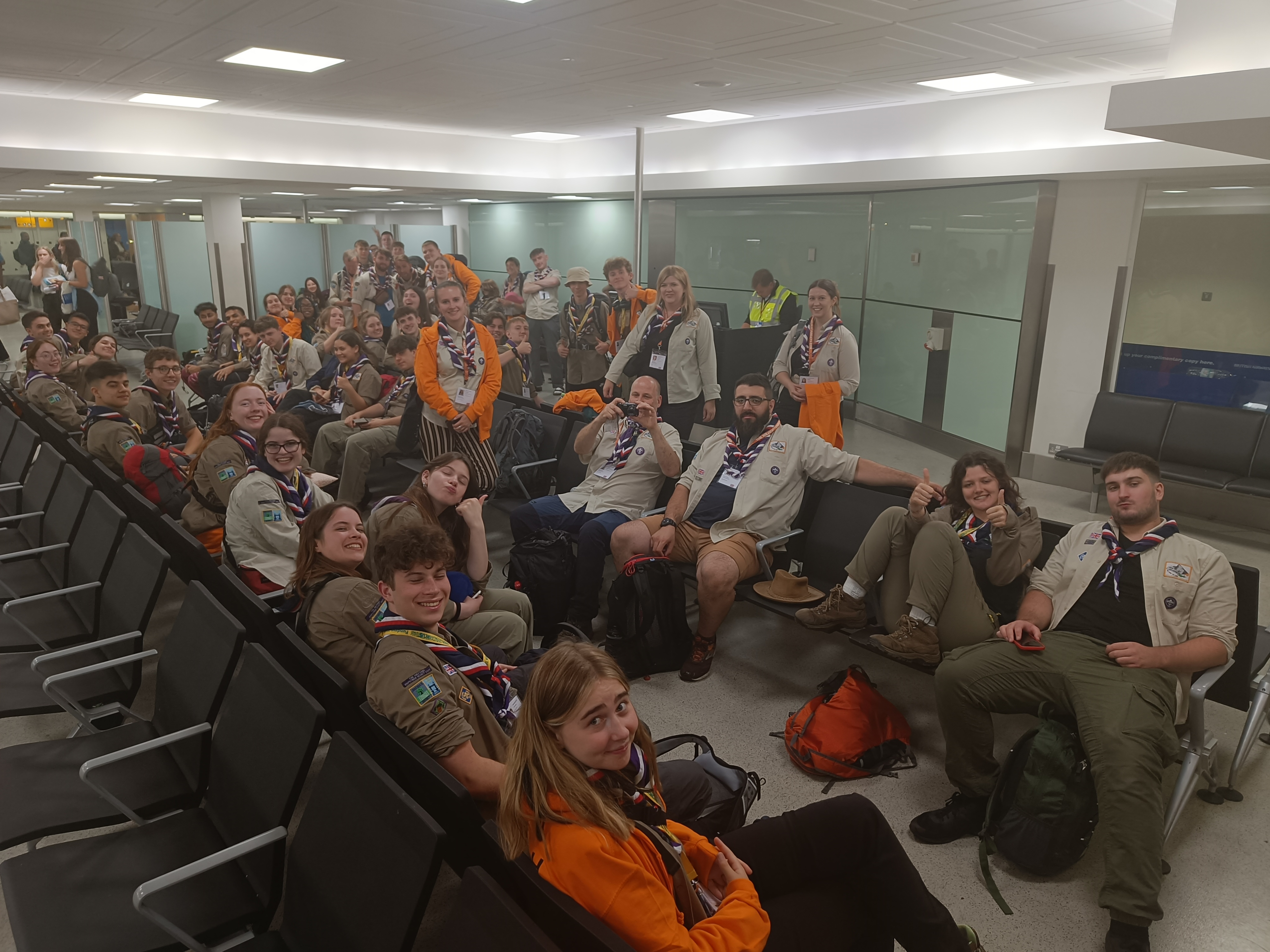

On the 22nd July 2023, at around midday, as the leader team arrived at a double-booked Scout hut to prepare for the young people’s arrival, it was within touching distance at last. Then it started pouring down… that isn’t important, but how typical… We flew from Heathrow to Delhi after making sure that the full length of the Piccadilly Line was working and were greeted in Delhi by Ann, the glue holding lots of this expedition together.
The expedition started with a drive around Delhi and a visit to the Swaminarayan Akshardham Hindu Temple before a night of bag weighing (yep, every single one of them) and a very early start the next day to fly to Leh (Ladakh) so we could get our expedition off the ground. At this point, the flight to Leh wasn’t completely confirmed, but this how things go at times. We arrived in Leh, and the majority were struggling to close our jaws as we landed in the most beautiful place we had ever seen. Had the expedition stopped here, the landing may have been worth it.
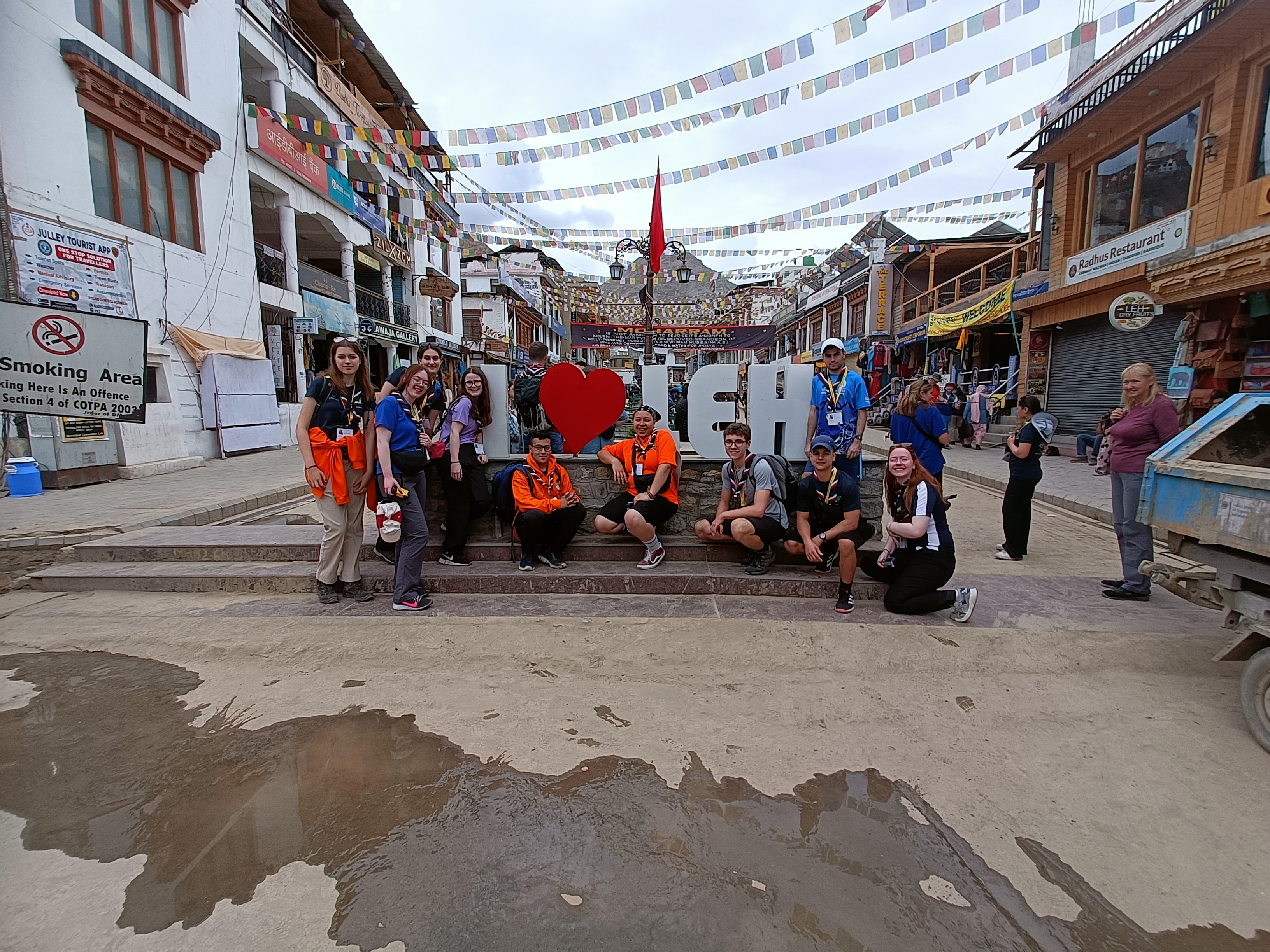
It was now time to start a twice-daily Lake Louisa altitude scoring check for every single participant. We settled into our hostel and the acclimatisation began. Every evening featured wishing one member a happy birthday (regardless of whether there was a birthday or not), an award for excellence called “Star of the Day” and a separate award referred to as the “Lanyard of Shame”. We settled into Himalaya life and mostly acclimatised quickly. We explored Leh, visited a Snow Leopard Conservation Centre, toured the Thiskey Buddhist Monastery, and continued with our acclimatisation plan. Acclimatisation complete, it was time to step things up a notch, and by a notch, we mean 1000m!
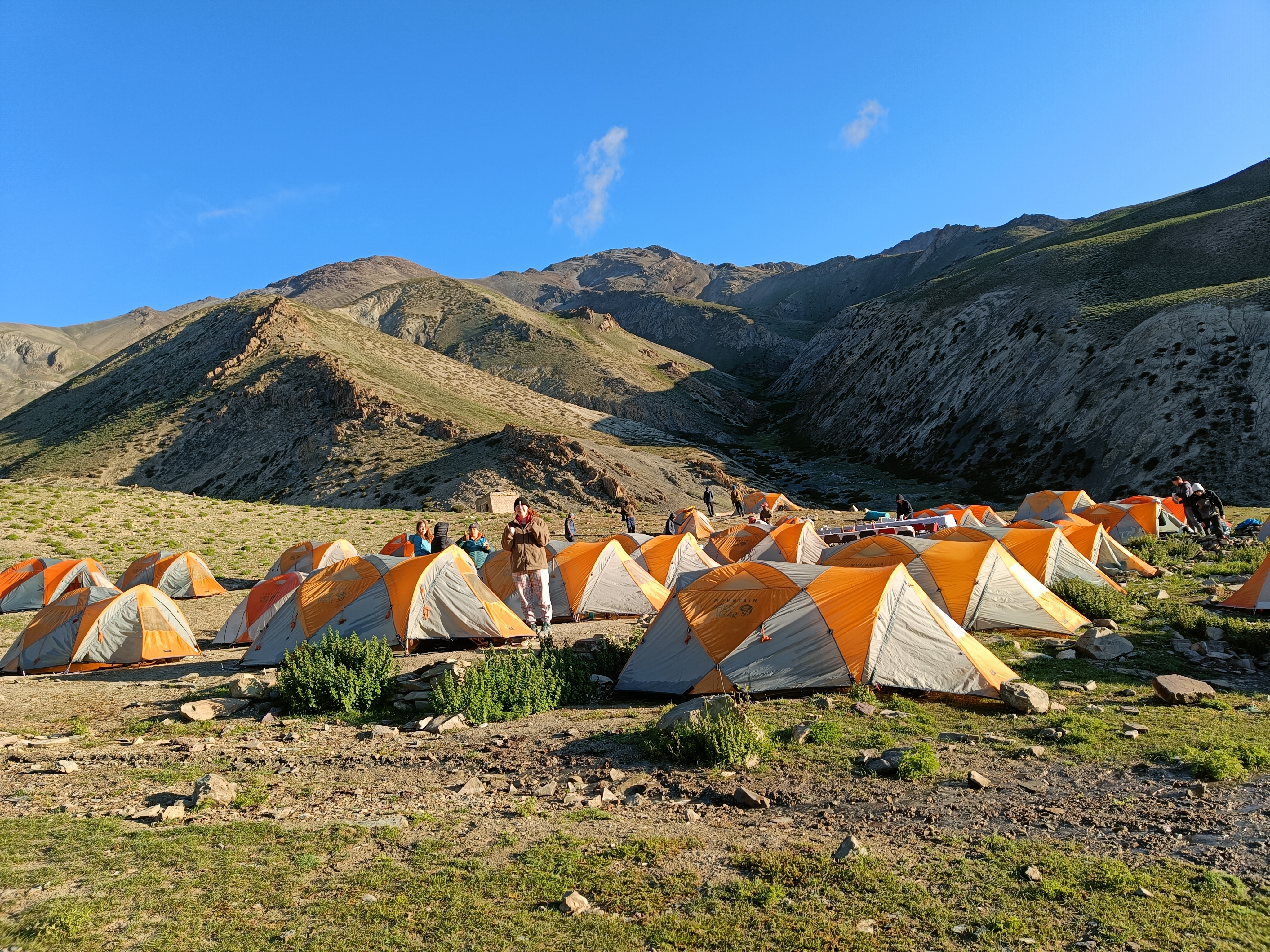
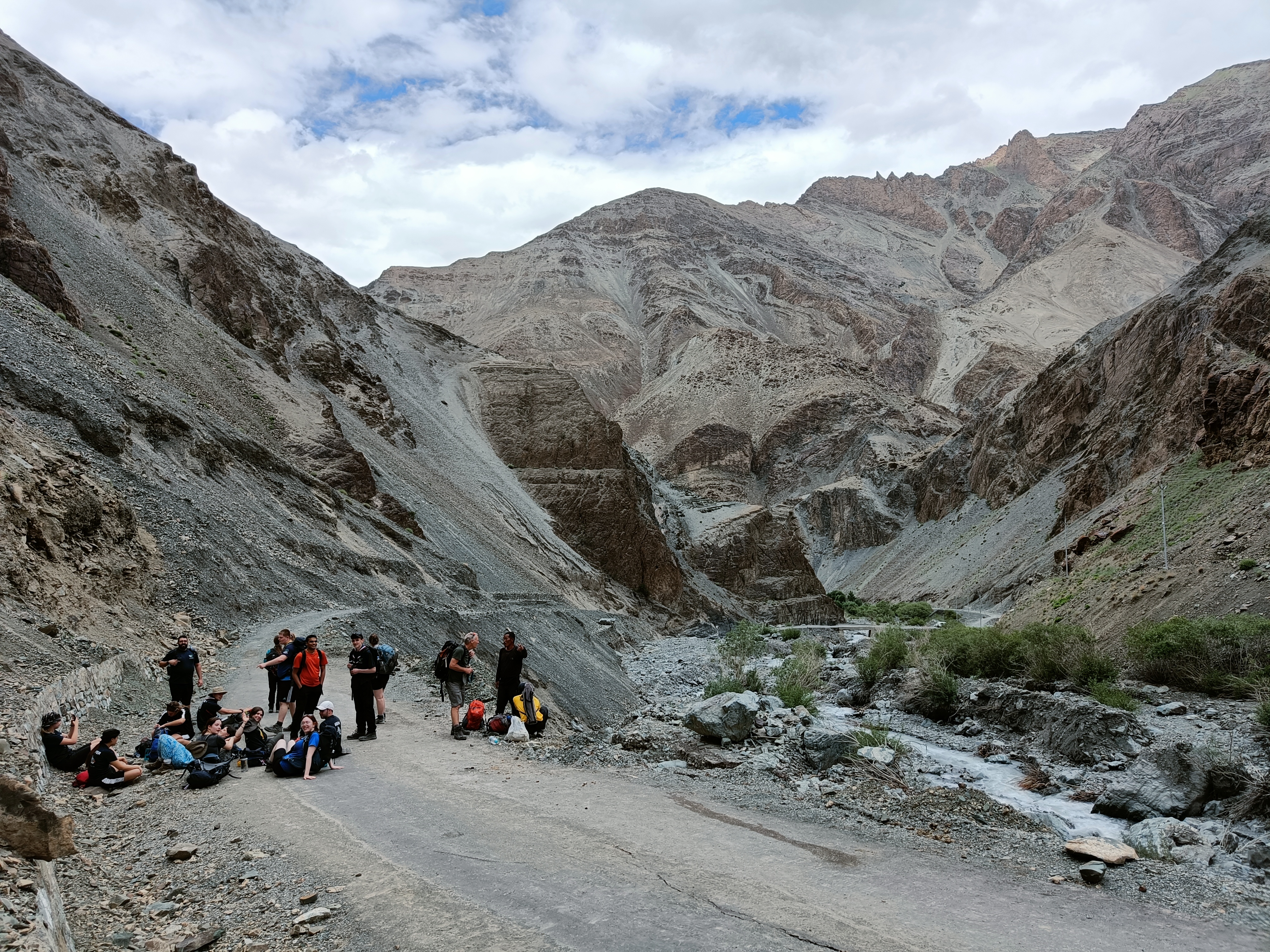
We started our trek with what should have been a slightly shorted ascent, had it not been for a damaged road on route to Rumbak. We trekked all day and once we arrived at our campsite, just below Rumbak, a love affair with our team of sherpas and cooks began. We arrived at the campsite as toilets were being dug, water boiled, snacks prepared, squash made and tents already up. Time to settle into trek camping life; layers on overnight, rise with the sun, wash with a bowl of water, try not to fall into the latrines.
The following day we split, half going on an acclimatisation hike in the morning with the other half walking to a reservoir just above the town of Rumbak to help with its reconstruction – a project now completed due to the work carried out by the young people and the donation left with the village for additional resources – it was tough work in the sun and at altitude. The acclimatisation walk featured some exciting river crossings for the first group who laid stepping stones for those who walked in the afternoon. Throughout the day, we also ran an optical clinic in Rumbak. This hasn’t been planned but locals had heard rumours of a clinic in Tso Kar and so we found ourselves in demand.
Our second morning in Rumbak meant that it was time to break camp properly for the first time and prepare to trek to our next campsite, at the base of the Ganda La Pass. This was the longest and toughest day on trek, a great challenge and achievement for everyone – we had some tricky moments, a little sickness, aching bodies, and a record number of AMS symptom checks. The campsite was stunning, exposed, and the lowest overnight temperatures (despite being 200m lower than nights in Tso Kar). In the morning, it was time to climb to the Ganda La Pass at 5,000m – the biggest jump in altitude in a single day on trek, with the prize of a views across to Pakistan across the Himalaya. Now time to descend to what had become a home from home in Rumbak (if you can ever describe a toilet tent and bowl of washing water in such a way). In Rumbak, we were treated to the rarest of experiences. People stay in this area of Ladak in the winter months, desperate to spot snow leopards, at this time of year, we had no expectation of seeing one, but during this particular week, a snow leopard who was likely not at their hunting best had found their way lower to pick off easier prey in the form of livestock. Through strong lenses from a long, long distance (in someone’s home who offered us tea while we invaded their space for a better look), we could see the snow leopard.
One last opportunity to roam the streets and markets of Leh! We had a couple of days to recover in Leh, to wash our clothes, top on some snacks, make sure that everyone had a pair of obligatory hareem pants, visit a hospital and stand underneath running water. Being back in Leh also meant an emotional reunion with those who had been forced to spend an extra couple of days being tourists in this beautiful town. Almost a full complement, we jumped on some minibuses to access the grade 3 confluence of the rivers Indus and Zanskar for an amazing day of white water rafting. Was the water freezing cold? Of course. Was it a working section of river and therefore full of things that it was best not to think about or leave mouths open for? Yes, it was that, too. Nonetheless, we swam, we paddled, we capsized, we chanted “Julley” (the Ladakh word for absolutely everything) as loud as we possible with each stroke to keep time, mouths wide open, and there may have been a brief race that we can’t talk about.
It was now time to travel to the most remote area of the Himalaya that we would visit, to camp in one place for the longest time and to deliver full days of our optical project. Tso Kar. Tso Kar town was a distant mirage of buildings from our campsite, and it took a long time to find the nomadic community we would be delivering the project to first (who knew that nomads would be so hard to track down…?). We were also reunited with the sherpa team that had taken such good care of us throughout and for the first time since the second morning in Rumbak, we were a full expedition party of 62!
On day one in Tso Kar, we had to prepare ourselves for the optical project, deliver training to those who had missed out in London and the Explorers took it upon themselves to clear what felt like a whole London borough of litter (some communities had clearly moved on without much consideration). Meanwhile, Skalzang – our Surdan, who knew the terrain like it was a monopoly board, seemingly knew every person in Rumbak, and was a reassuring presence throughout (Skalzang also found ways of getting cricket scores wherever he was) – took a driver and went searching for the nomadic community, eventually reporting back.
The following morning, we started day two of our optical project. It was an extremely busy day in the community. They had two buildings that we could use, one for long sighted tests and lessons in how to clean and look after their new glasses, while the other was used for reading tests. The most challenging job at times was keeping back those who were desperate to get inside and have their test next. It required our best charades to inform and organise, every so often finding someone who could help with translation. Our main translators, Skalzang and one of the drivers, were focusing on the reading tests. The community had significant livestock, outnumbering the human members, including a herd of goats that covered the mountainsides like bees cover a hive. As is often the case, a highlight was seeing our Explorer Scouts entertain and play with the local children with songs, dances, games, origami (not playing kazoos or ukuleles… throughout the expedition, Explorers were awarded with the Star of the Day, often for a great kindness, alongside this coveted award was the lanyard of shame, more often than not awarded to a leader. Dan earned the lanyard of shame on two occasions, the second of which was leaving two ukeleles and 100 kazoos in Leh) and using anything that they could find to entertain them. Over two days in Tso Kar (the second in the main village after all in the nomad community had been seen) and one in Rumbak, we had given away over 100 pairs of glasses. There were a lot of tears shed as the young people saw the joy on the faces of people who had either been unable to read and work due to poor close vision, or for some, it was the first time in their memory that they could see detail on the mountains and in the stunning scenery that is their home.
Leaving Tso Kar meant leaving the sherpas one last time, morning goodbyes followed a special dessert cooked for us – how a cake big enough to feed 60+ was baked on a couple of gas burners, we’ll never know – the night before. We travelled back to Leh for the final time and on this occasion, it was one night and then we had to leave Ladakh. We managed to find a children’s charity who could find good homes for some well-travelled musical instruments (all part of the plan…) and after saying goodbye and thank you to the drivers at Leh airport, one last hug and teary farewell with Skalzang. We flew to Delhi and then hit the road, straight to Agra. Driving out of Delhi was the most we were exposed to the conditions faced by many in urban areas. Many of the slums that would usually be at the river’s edge had moved to the roadside due to the high tides and the view was overwhelming – nothing that was said or shown can prepare for it.
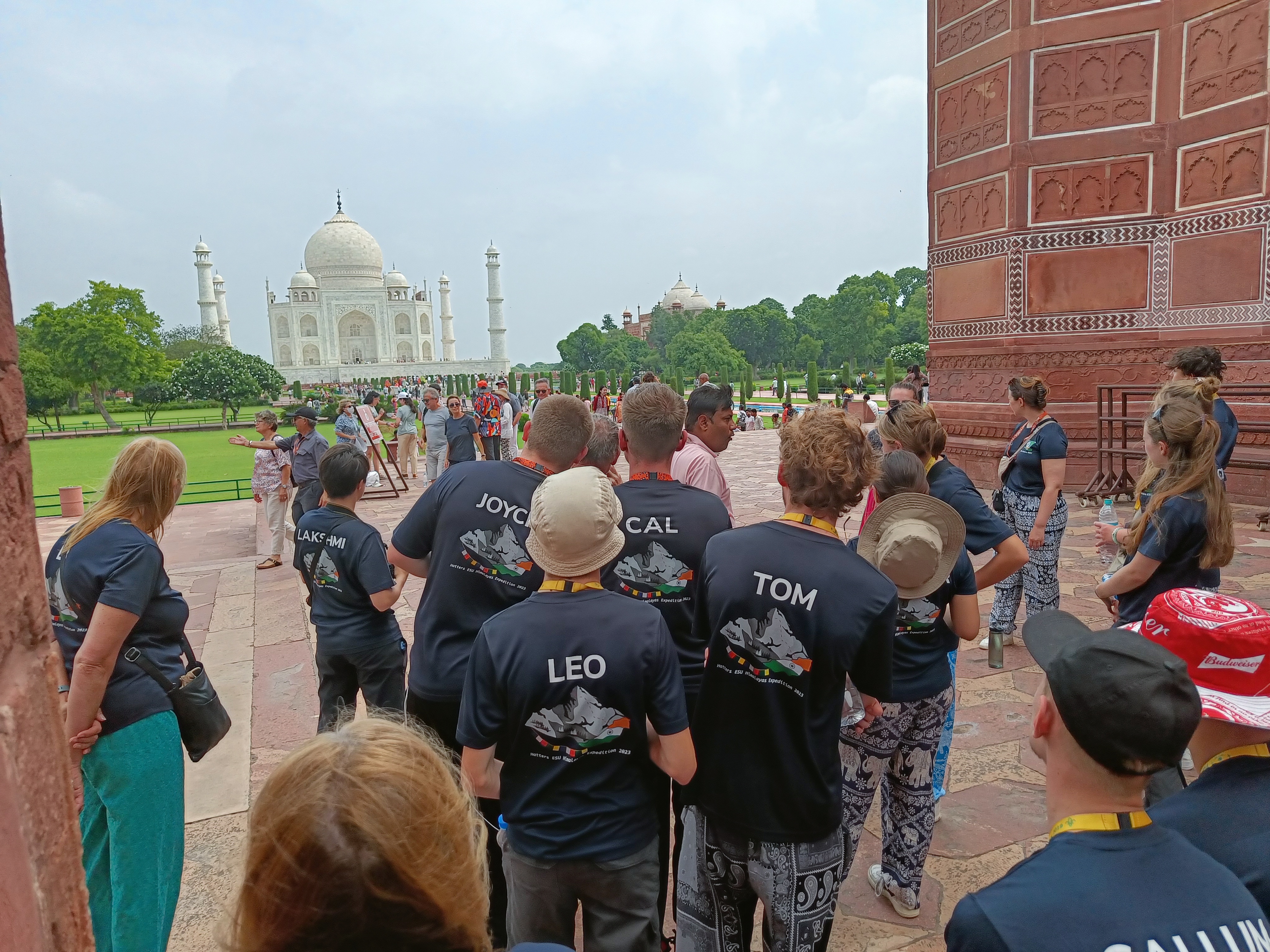
We arrived in Agra behind schedule but just able to gain entrance to the Agra Fort for a tour before travelling to our hotel. A new City, a new place to stay, a new hospital to visit. The hotel in Agra was an experience, luxury in a way, hilarious, too (we could hear and if curious see a pool party missing that crucial ingredient… people). A means to an end. We got out of the hotel early the next morning to visit the Taj Mahal.
The Taj Mahal visit was extremely special, after a challenging start. We weren’t allowed to wear our scarves due to rules around flags in response to recent protests, so our group pictures are missing that familiar element. The experience, otherwise, was incredible. The Taj is beautiful and at the end of a very challenging expedition, another unforgettable memory.
We left Agra for Delhi and a short sleep before our journey home. This meant more goodbyes, we invested Ann, Steve, and Di from trekMountains and thanked them for their contribution to an unforgettable expedition. After weeks of travelling as an extended party, we were 58 again (49 young people). Weariness and some late travel illness kicked in. Fortunately, very few members of the public wanted to join us in tube carriages. We arrived back in Southgate and much of it felt a little like a dream. This delayed expedition that was on its thousandth budget iteration was 4 years in the making and over in a flash. Thank you to everyone who supported us along the way – we couldn’t have achieved our dream expedition without you.