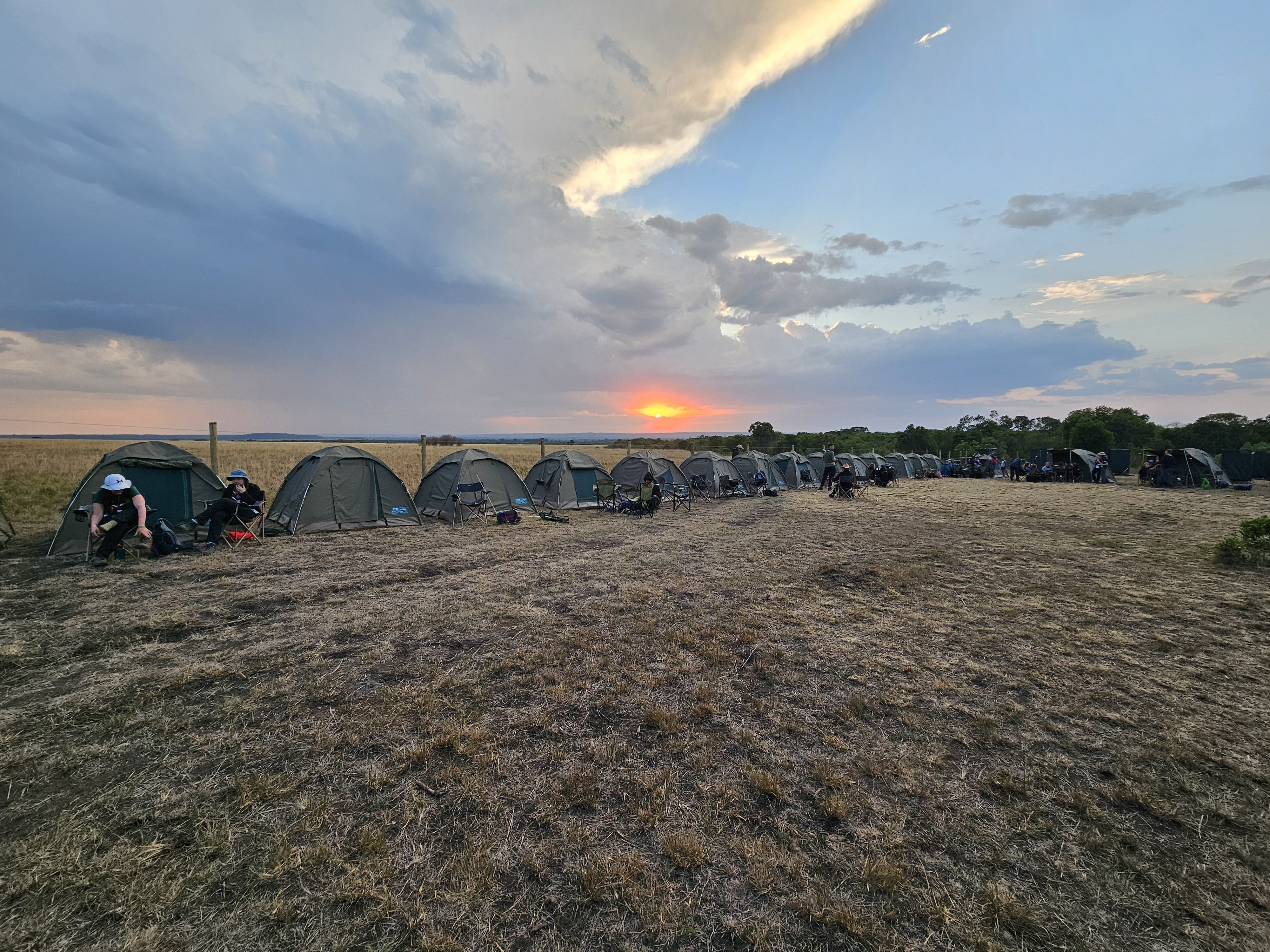
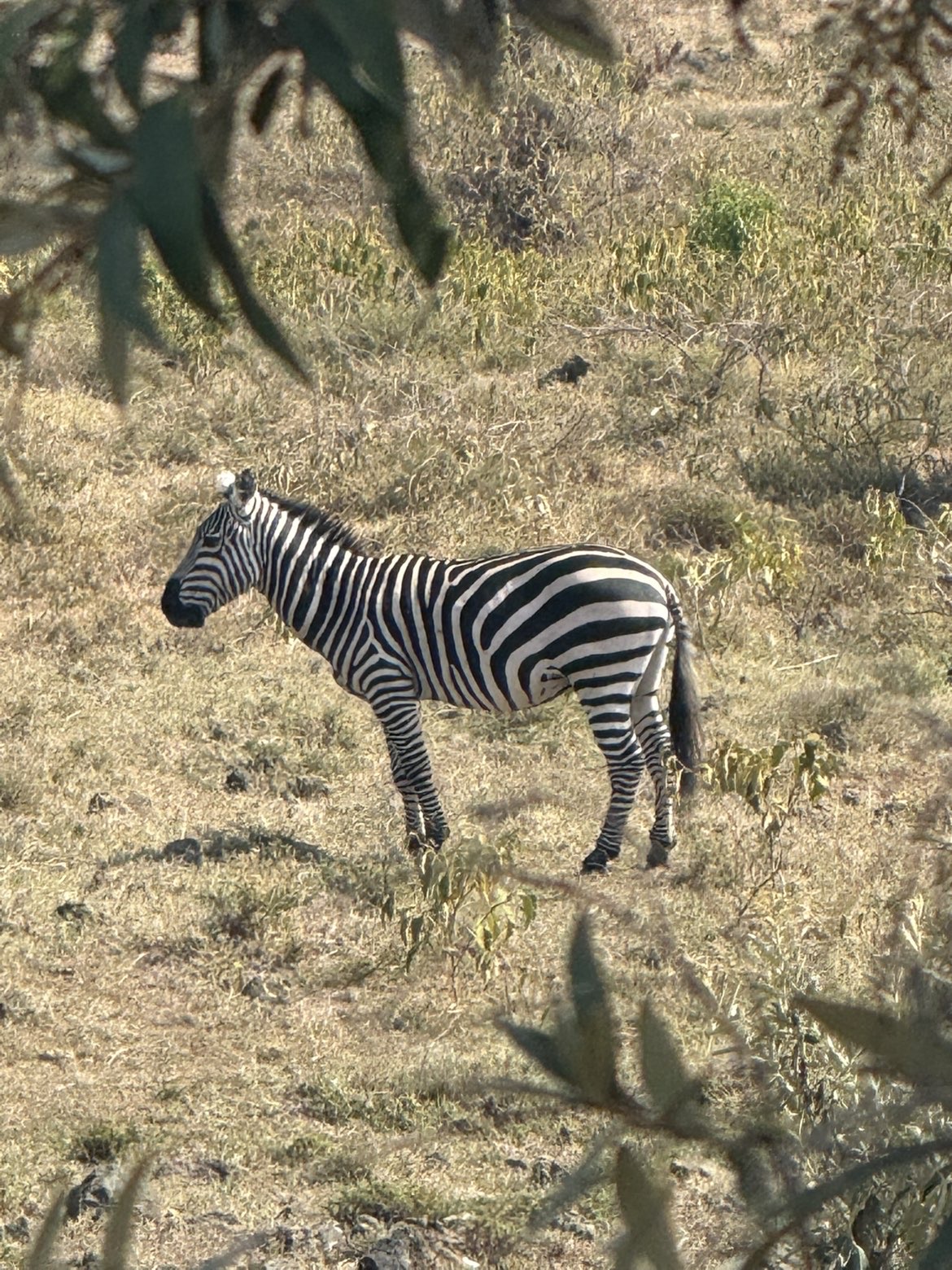
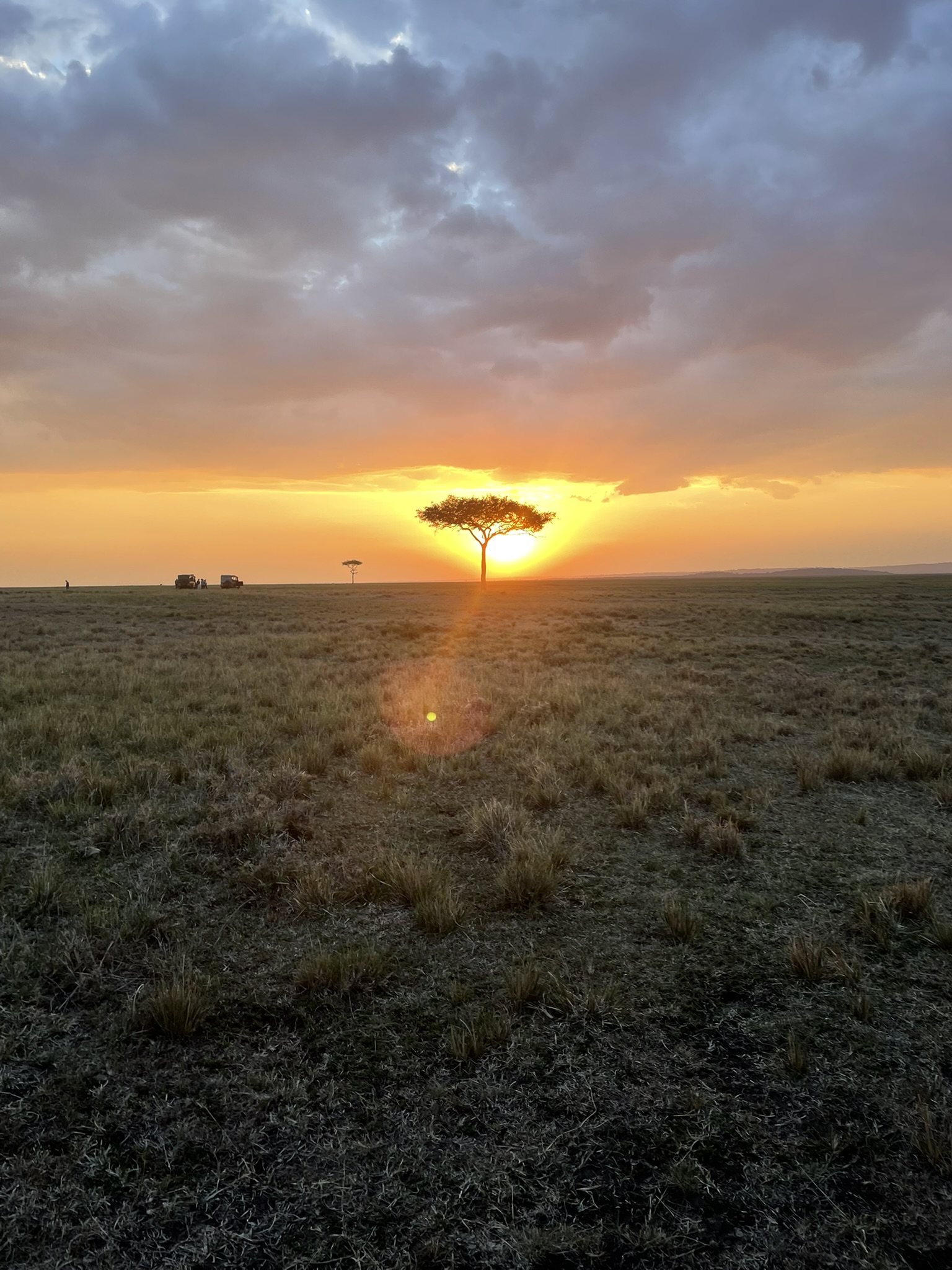
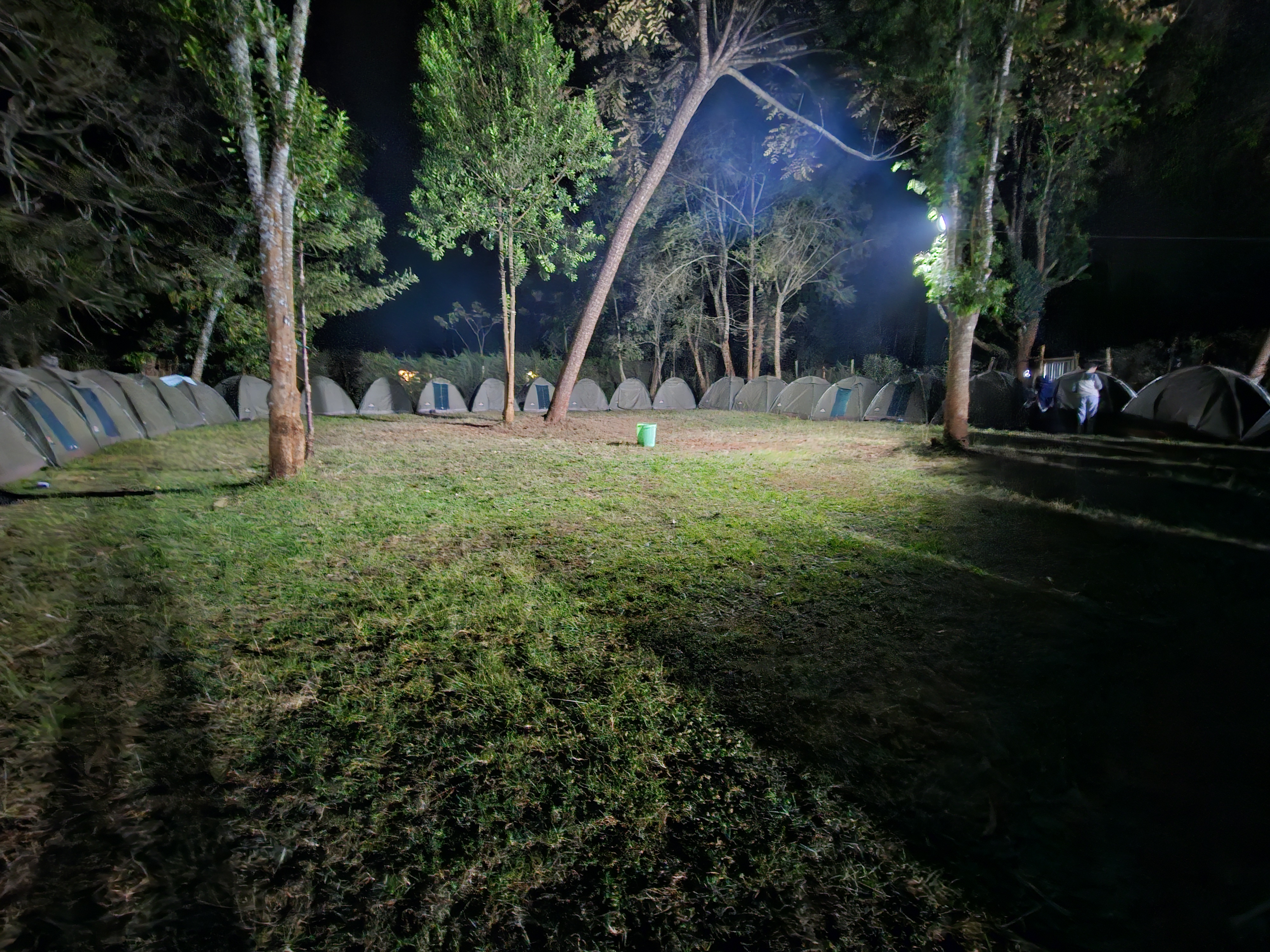
A warm evening in early August (5th August to be precise), we stood in the middle of our sleeping area of the campsite in Ol Chorro Conservancy, suddenly it all became very real. The camping area was a horseshoe of new tents against the perimeter fence with a series of toilet tents and shower tents along the bottom of the field. Beyond the fence were zebra and as we would later find out, lots of hyena. To reach the camping field there was a narrow path through bushes and trees via a campfire area that led to a dining and cooking area with a gate that would later be blocked and guarded by the Maasai. We ate a late lunch and waited for the most breathtaking sunset. We were here, camping in the Maasai Mara, like we said we would when the journey started 3 years earlier.

The goals of our expedition were to deliver an unforgettable experience for 50 young people that they couldn’t experience otherwise, and to make a positive contribution to the scientists at Ol Chorro, helping them to collect data with more volunteers than they could have previously dreamed of. We aimed to support the ongoing work to manage conflict between humans and wildlife in the conservancy and we hoped to learn and grow our understanding.
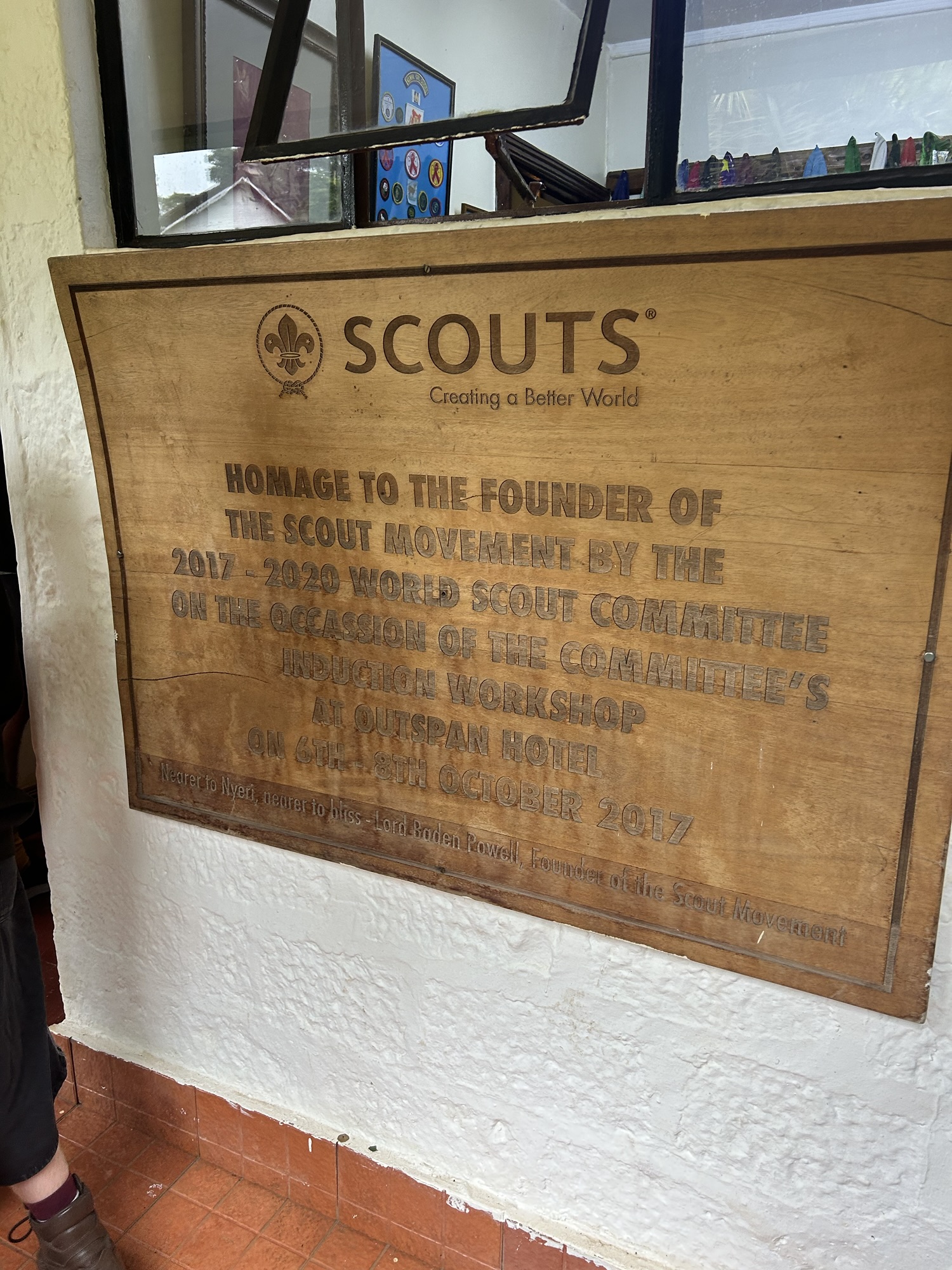
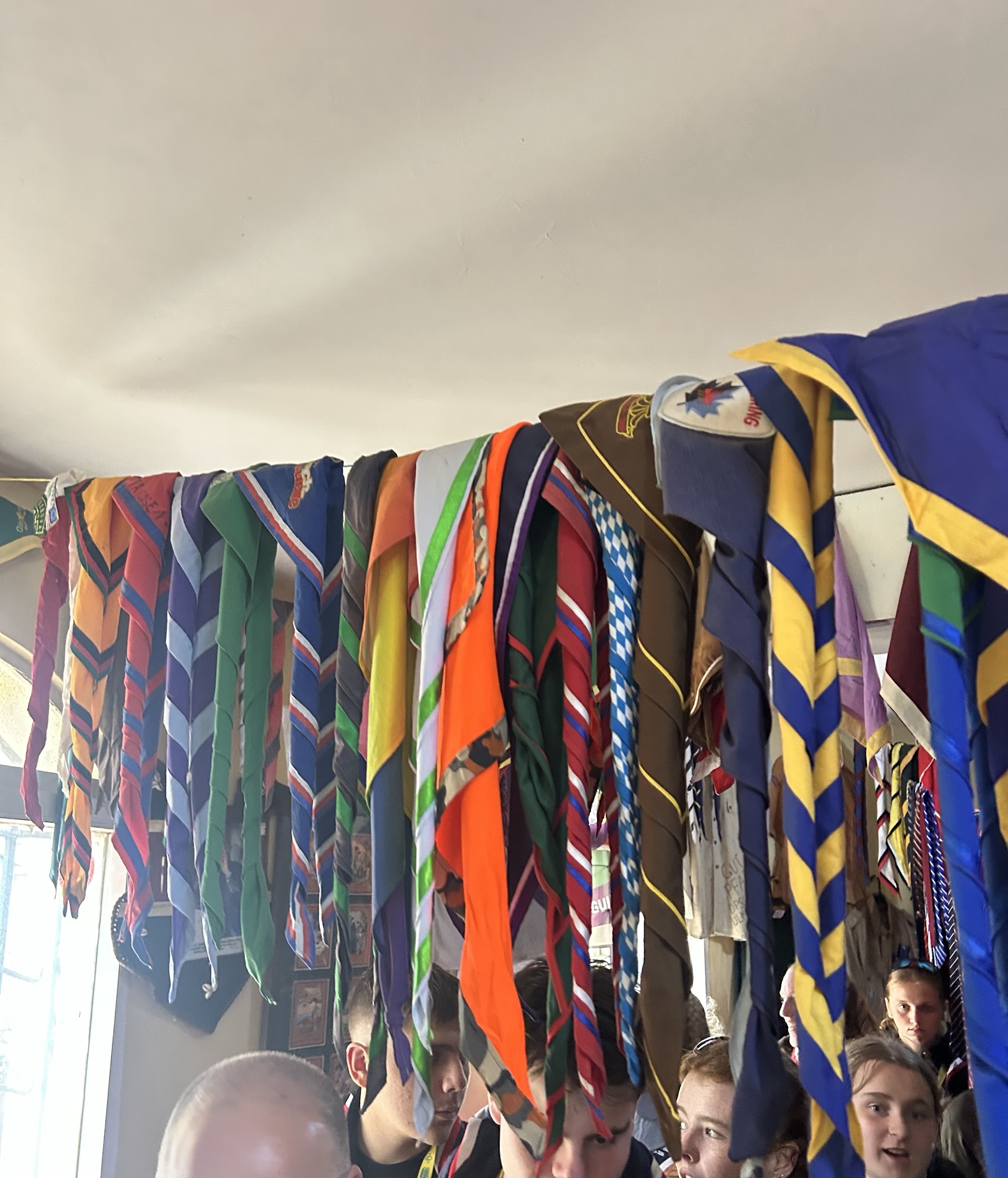
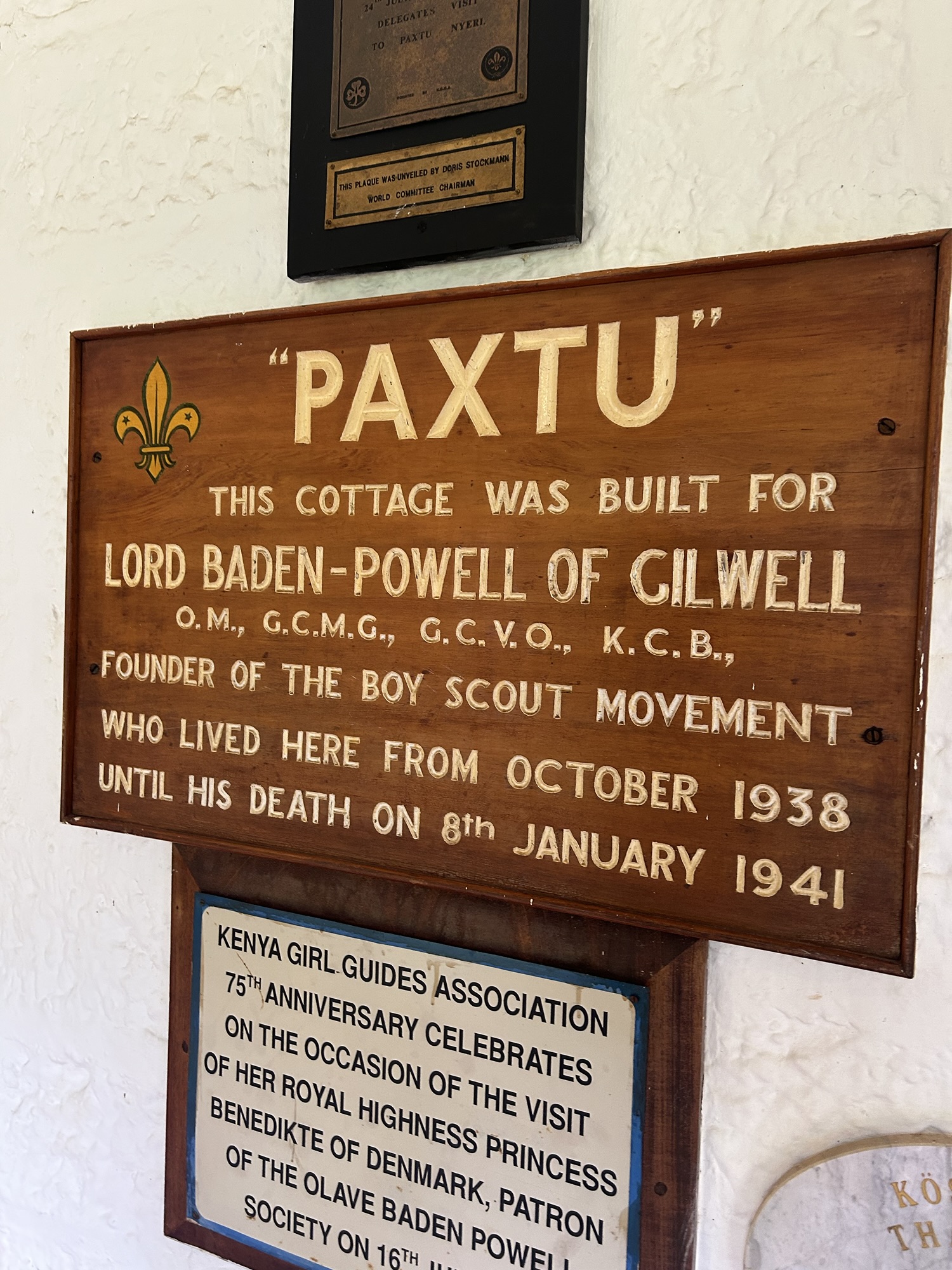
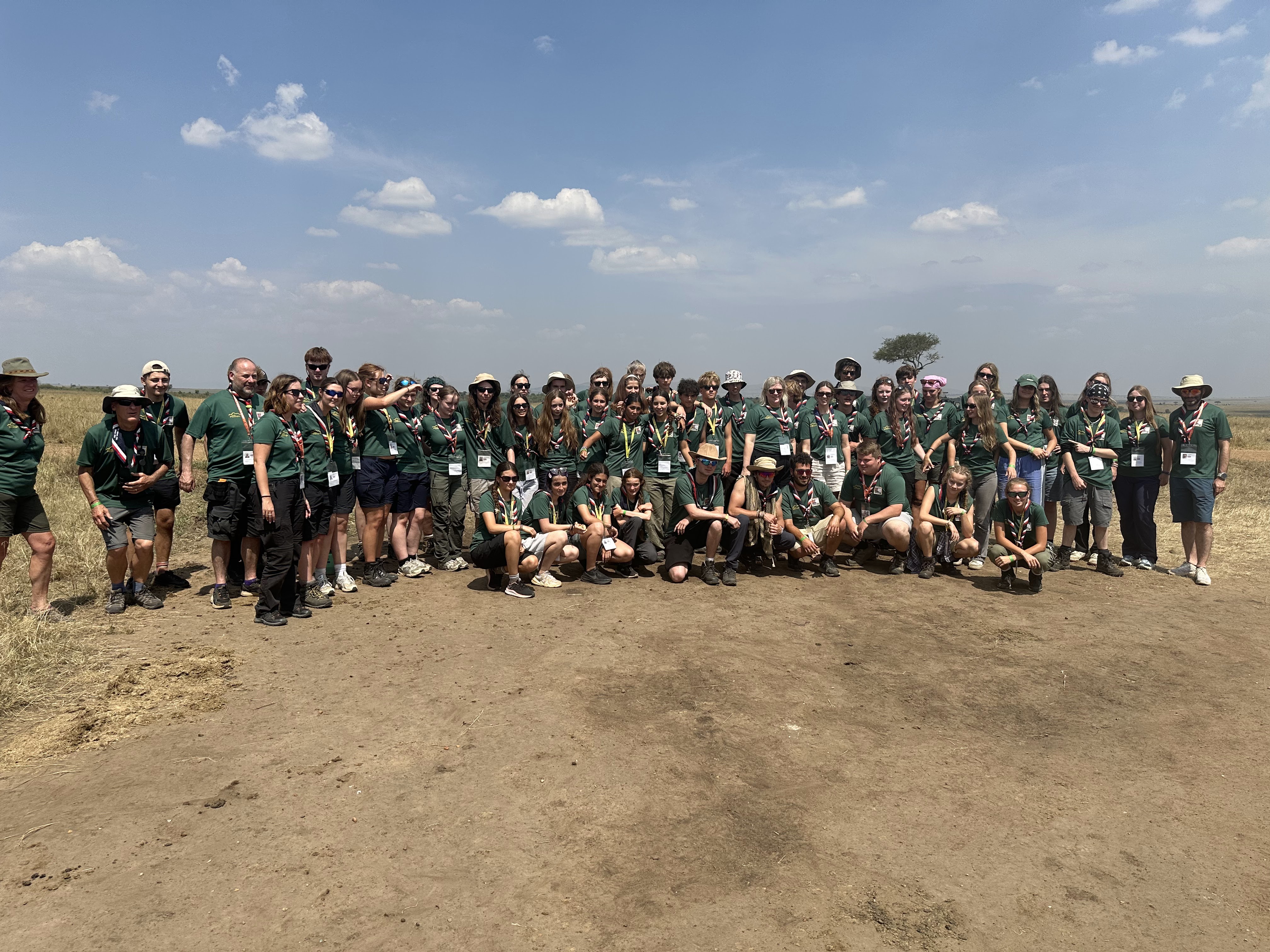
The Mara was undoubtedly the highlight of our expedition which began on 30th July when we met in Oakwood to travel. We spent all day on the 31st July in transit, finally settling at Wildebeest Eco Camp, in Nairobi. On 1st August, all 61 of us went to the resting place of Lord Baden Powell and visited the home that he spent his final days in. We spent this leg of the trip at Kaiyaba National Scout Centre. It wasn’t a luxurious campsite, in fact, it was the least comfortable, but it was special. We enjoyed campfires and getting into the expedition properly with time to meet our hosts. 2nd August was our Mount Kenya day. This was one day that didn’t go to plan, we suffered from endless delays, and the guides could have been better. Still, we enjoyed a short hike on the slopes, dodging mounds of elephant dung that was a gentle reminder of the excitement to come.
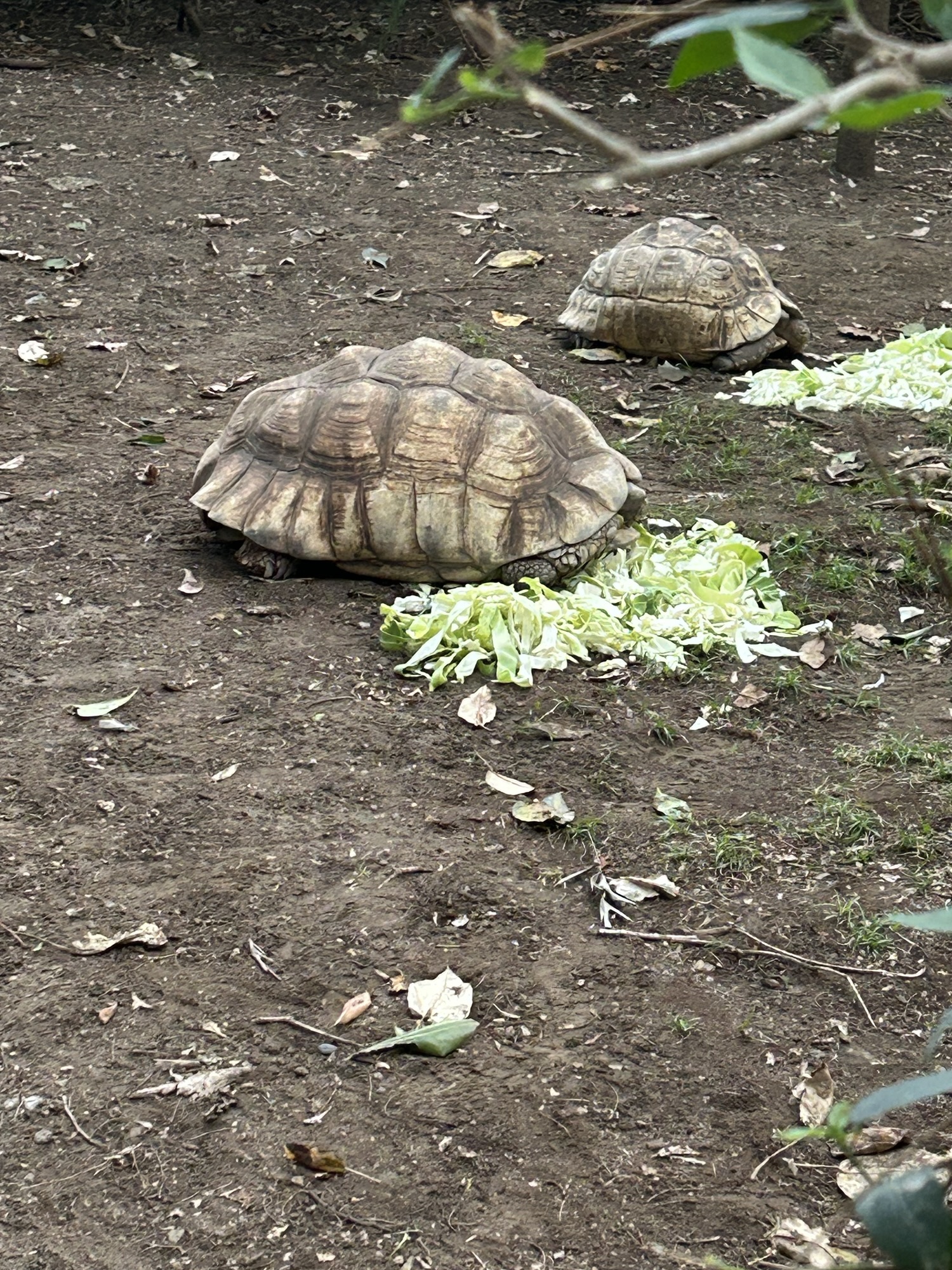
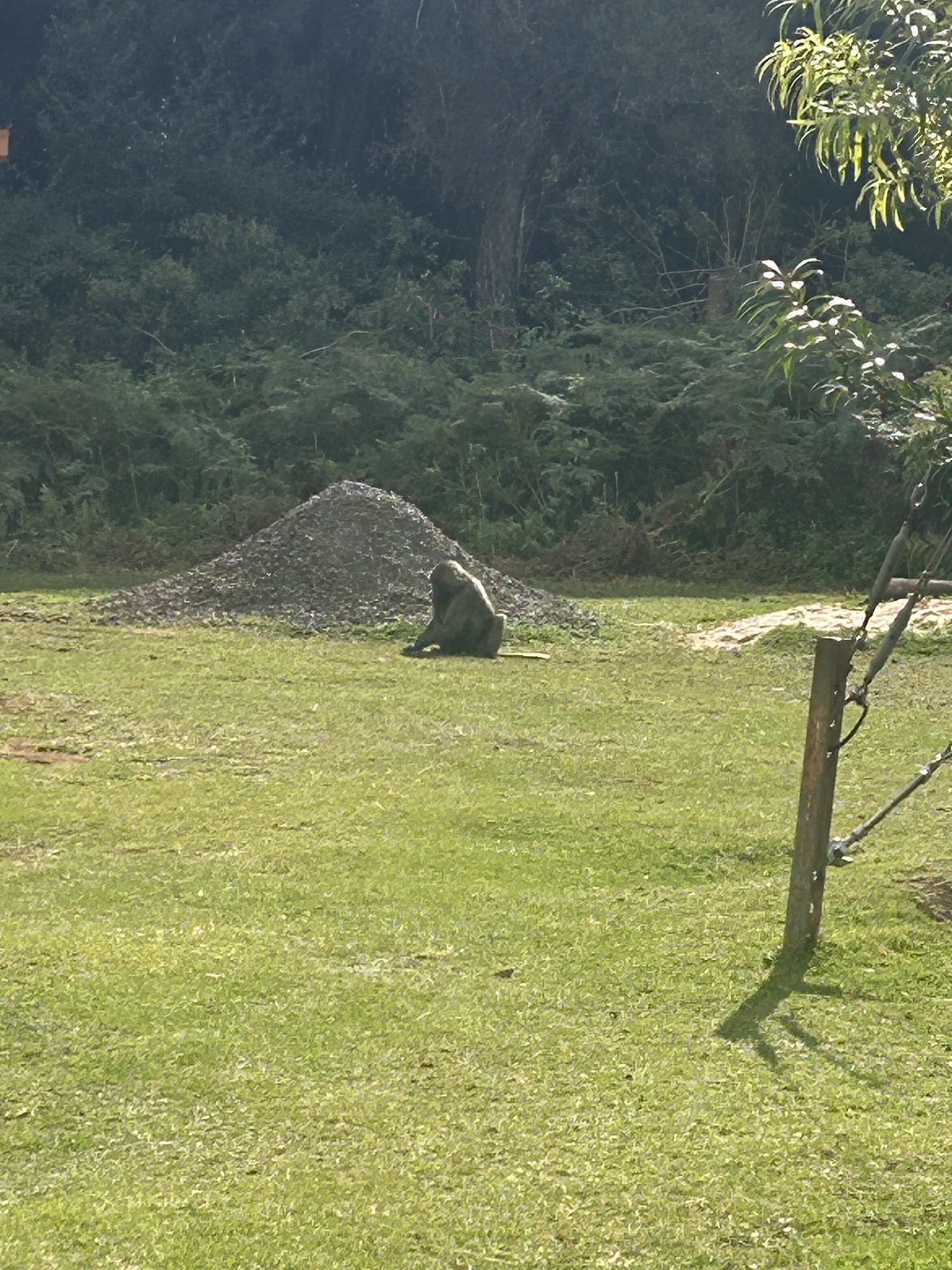
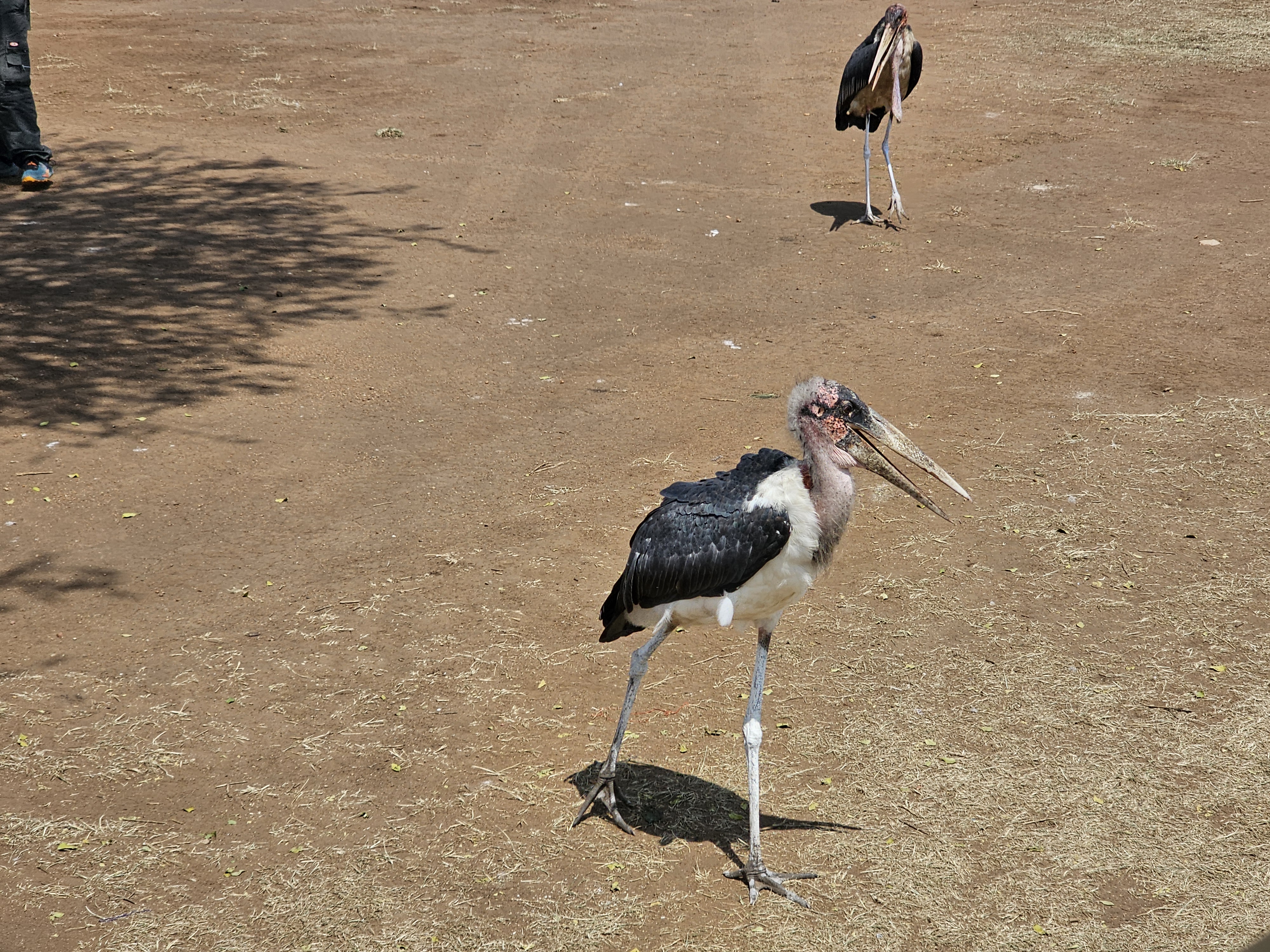
The following day we travelled to Naivasha and the real expedition began. Lake Naivasha supports a remarkable ecosystem, and we stayed at a very special location. Elsamere Conservation Centre is named after Elsa the Lion and is dedicated to Joy and George Adamson. On our first night we enjoyed a tour of Joy and George’s home, plus opportunities to meet and see some extraordinary wildlife; baboon, hippo, giraffe, monkeys, eagles, owls, tortoise and more. Staying overnight at Elsamere was challenging and a reminder of the risks that we had to manage. Hippo grazed among our dorms, baboons screeched, ran and clawed in a never-ending effort to find scraps of easy food from complacent guests. We later learned there had been buffalo very close by that we hadn’t spotted at the time. The sight of guards with a stick and torch didn’t do a lot to relieve stress levels.


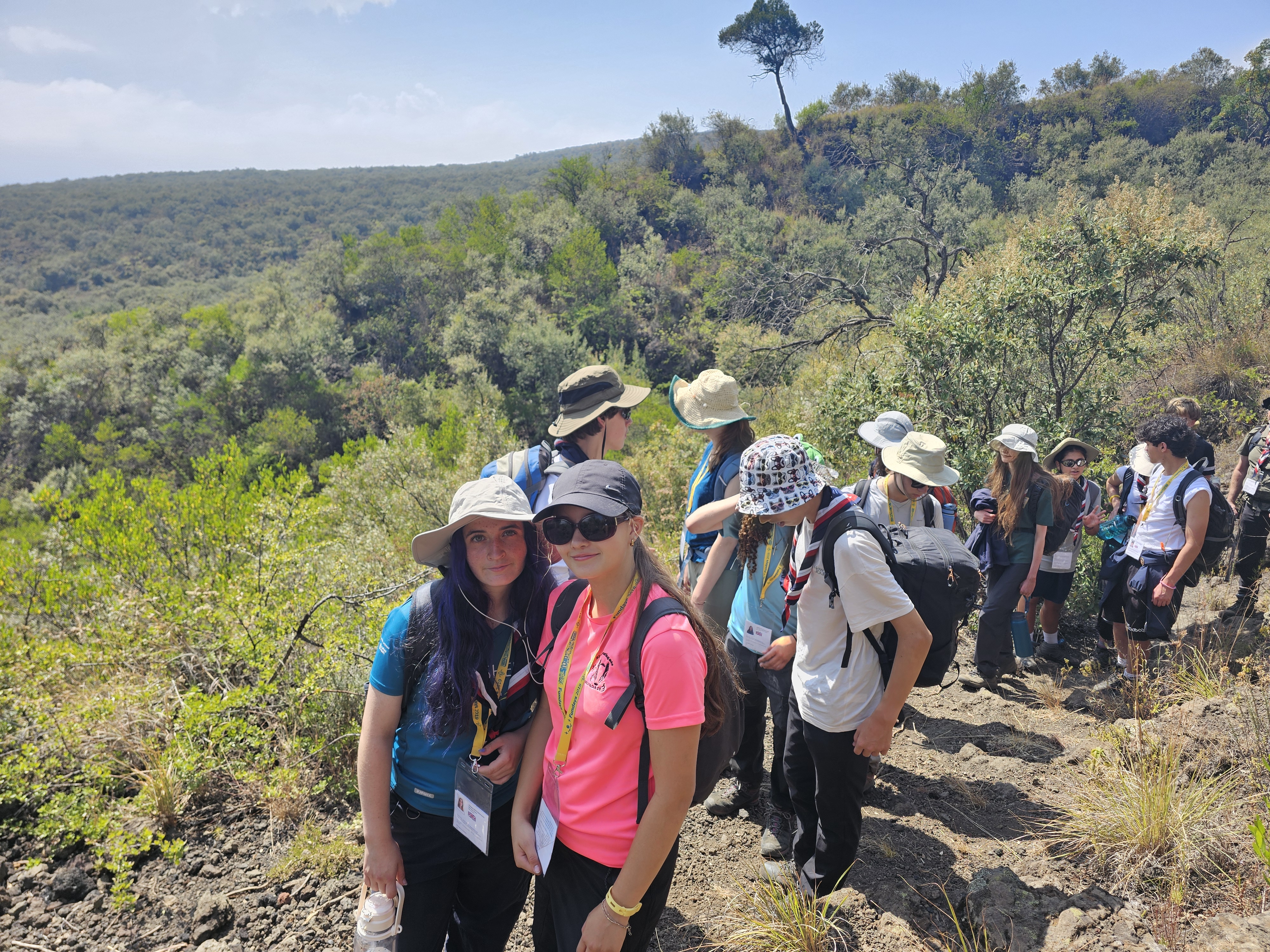
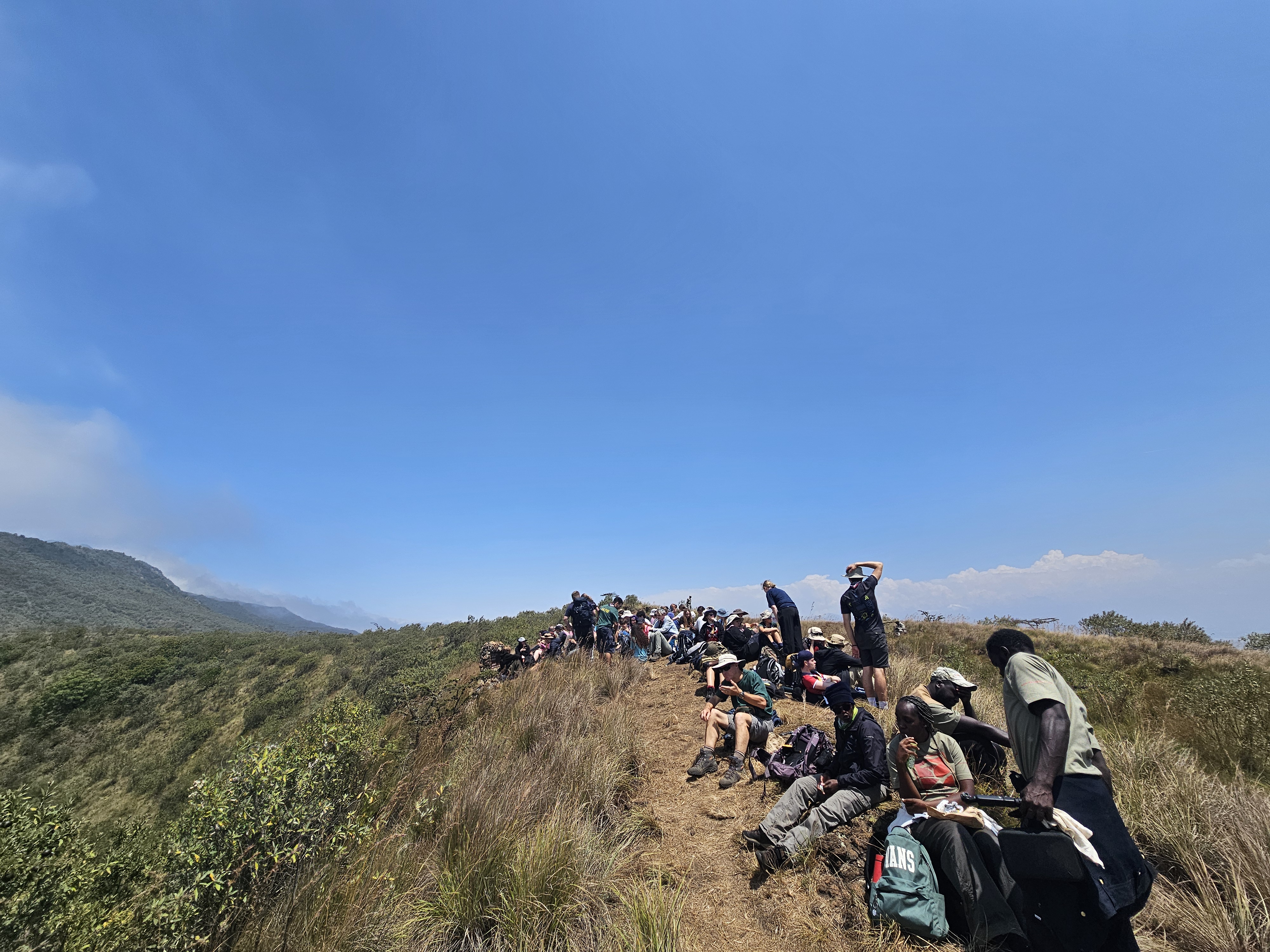
On 4th August we climbed Mount Longonot, an inactive volcano with a stunning crater rim that can be walked with vast, steep drops from 2,500m. The walk was stunning and covered in wildlife; zebra, gazelle, and antelope grazed on our route, our first glimpse of these herbivores in the wild. The hike was challenging for many, steep incline, intense heat at times, and vicious vegetation were our main obstacles. At the conclusion of our hike, we returned to Elsamere for tree planting. Almost a week had passed since we met, and we were now finally ready to travel to Ol Chorro Conservancy in the morning.
Expeditions like this are memorable because of the once-in-a-lifetime opportunities that are delivered to the young people. They are unforgettable because of the friendships that are formed along the way. Our new friends at Red Road had already made an impression, from the moment we reached Elsamere and then the Mara, the team showed their absolute worth and unwavering commitment to ensure that we had the best expedition we could and remain safe throughout. The Sabina family won the hearts of us all, extending our family that already includes Ann and Steve from trekMountains. On this last night at Elsamere, a group staying up late to prepare birthday decorations for the following morning was a small moment exemplifying the bond across the whole expedition party.
The journey to the Mara was filled with singing, joy, desperate toilet trips, party hats, and as we got closer, a lot of wildlife. Pumba (warthog), wildebeest and elephants were now added to the list of sighted and we were barely started. Ol Chorro Conservancy was magical. It boasts incredible wildlife, big predators and everything you would expect. Beyond the obvious, Ol Chorro was filled with love. The campsite we enjoyed had been made for us: the fence, the toilet tents with wooden boxes to cover latrines, the shower tents complete with suspended bucket and watering hose, the cooking and dining tents, campfire area and everything between. Each morning, the campsite crew would boil water to mix with cold and fill the shower buckets, and the cook team cared immensely for all our dietary needs.
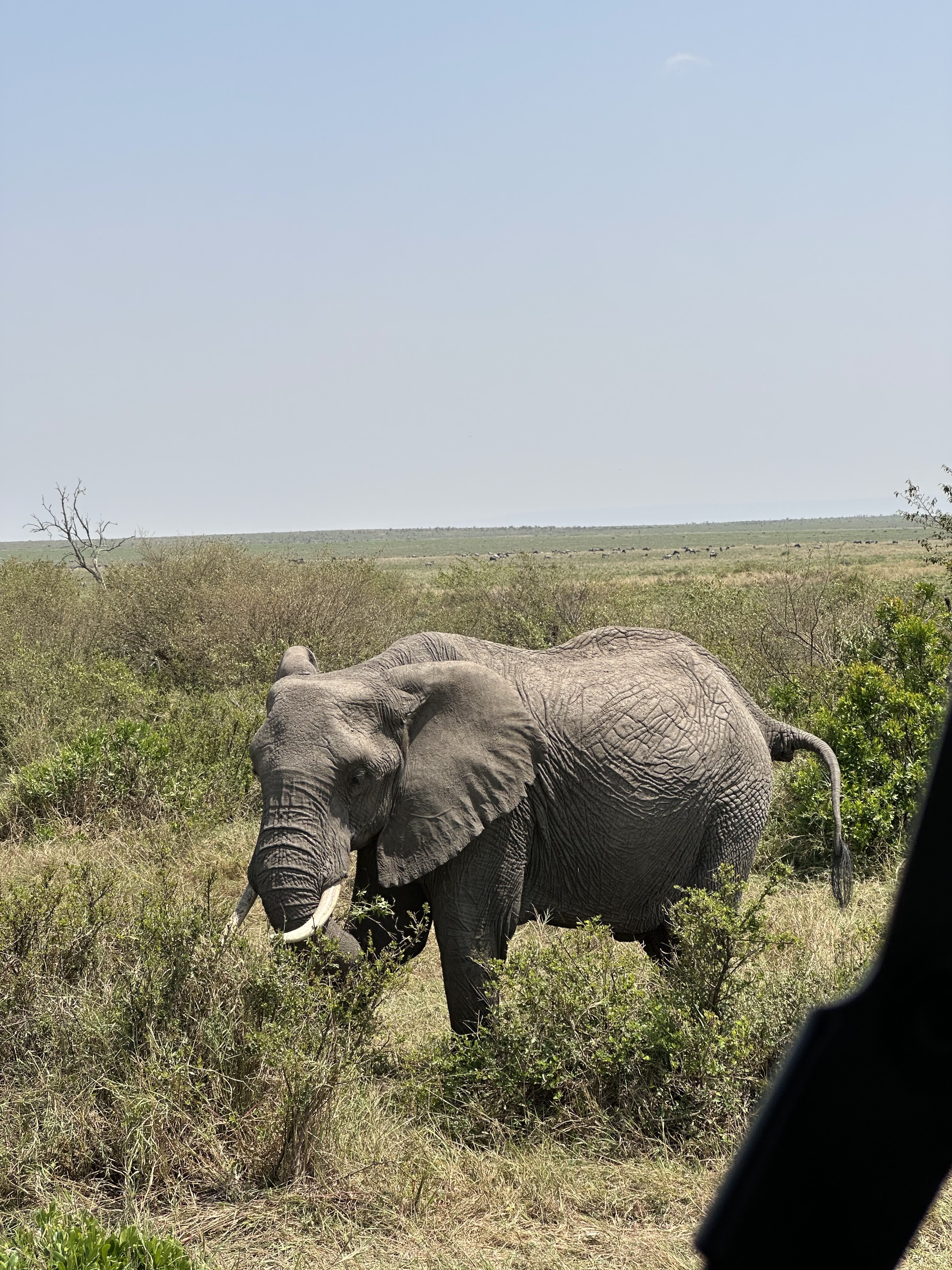
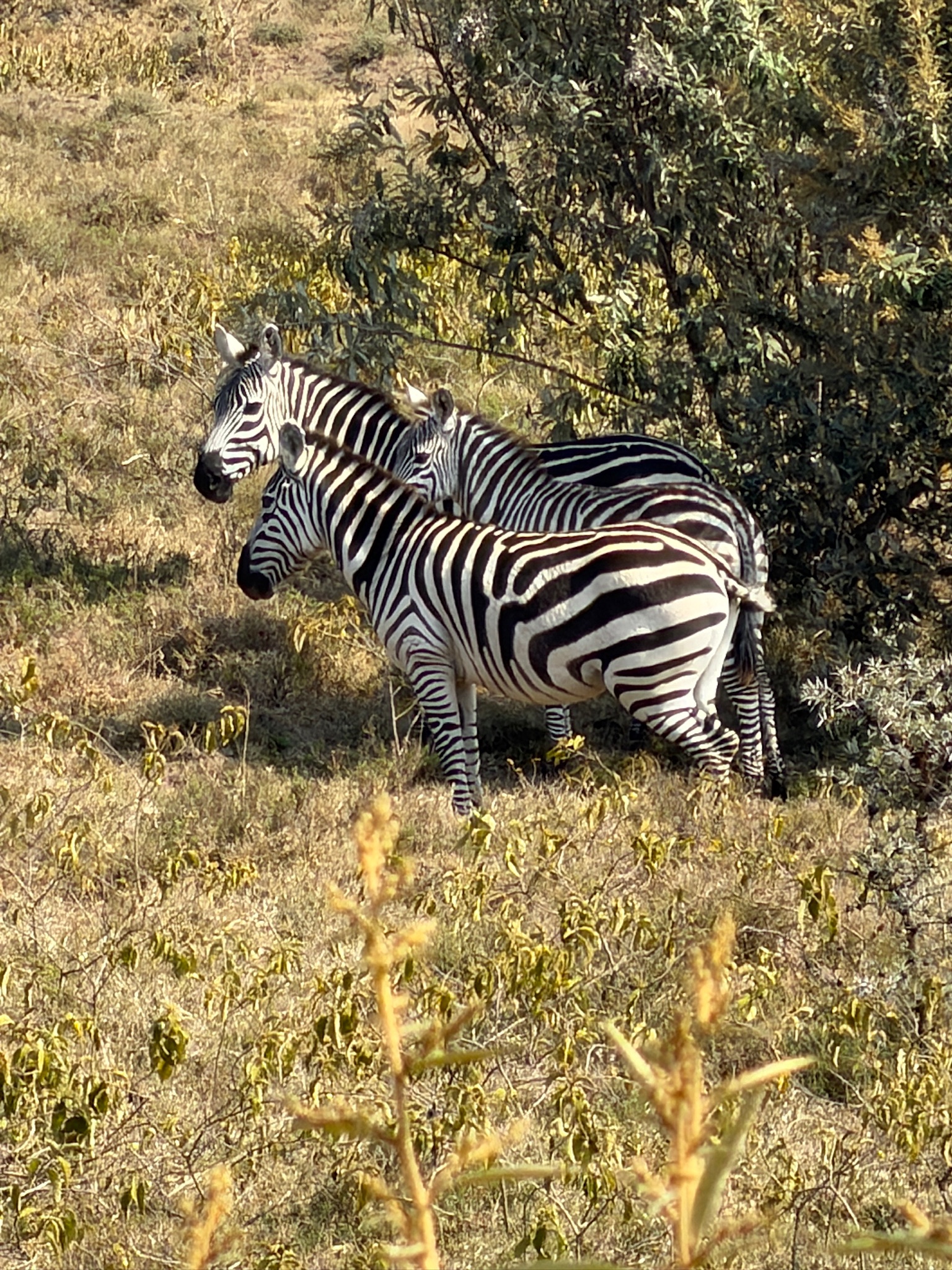
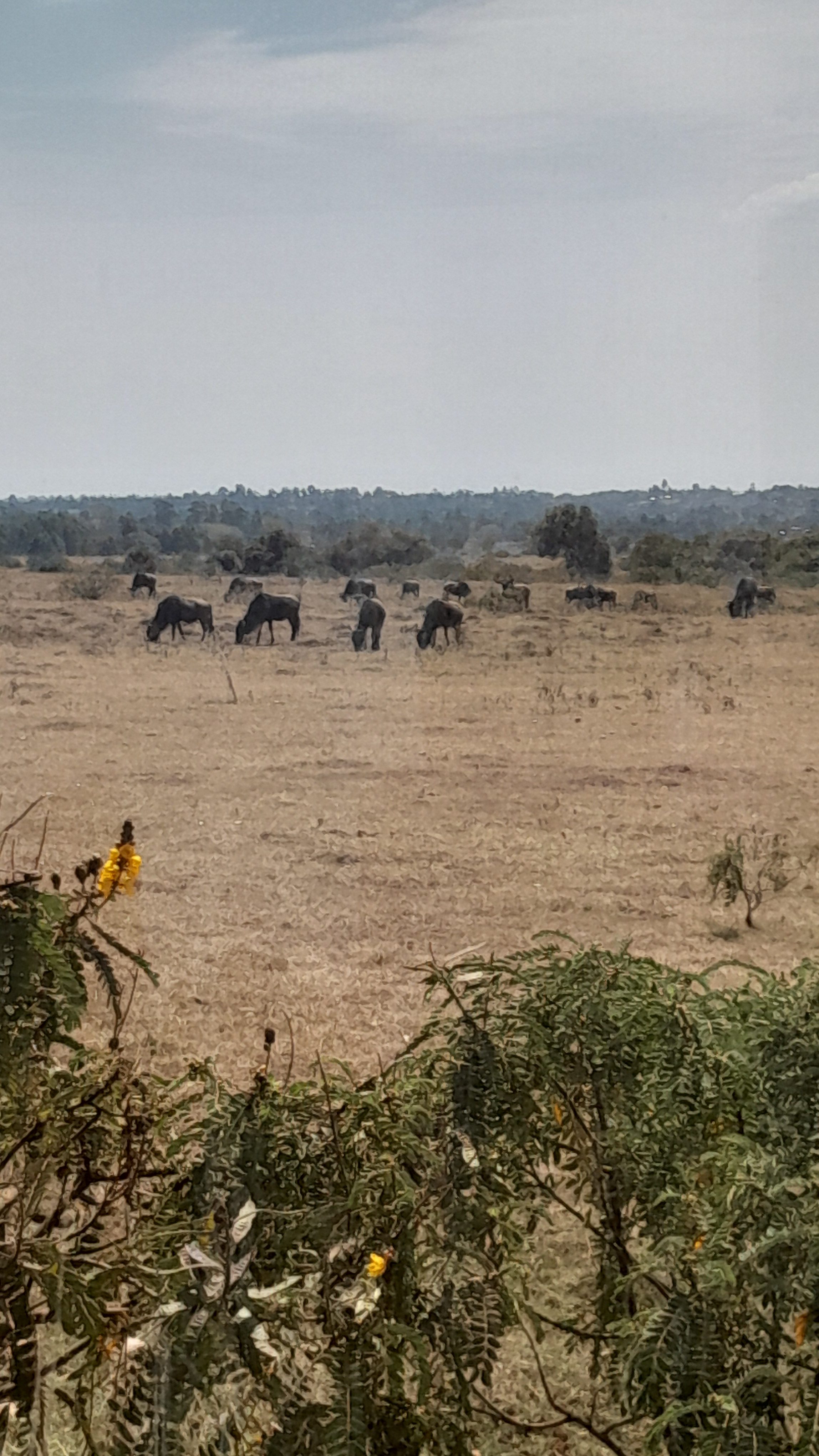
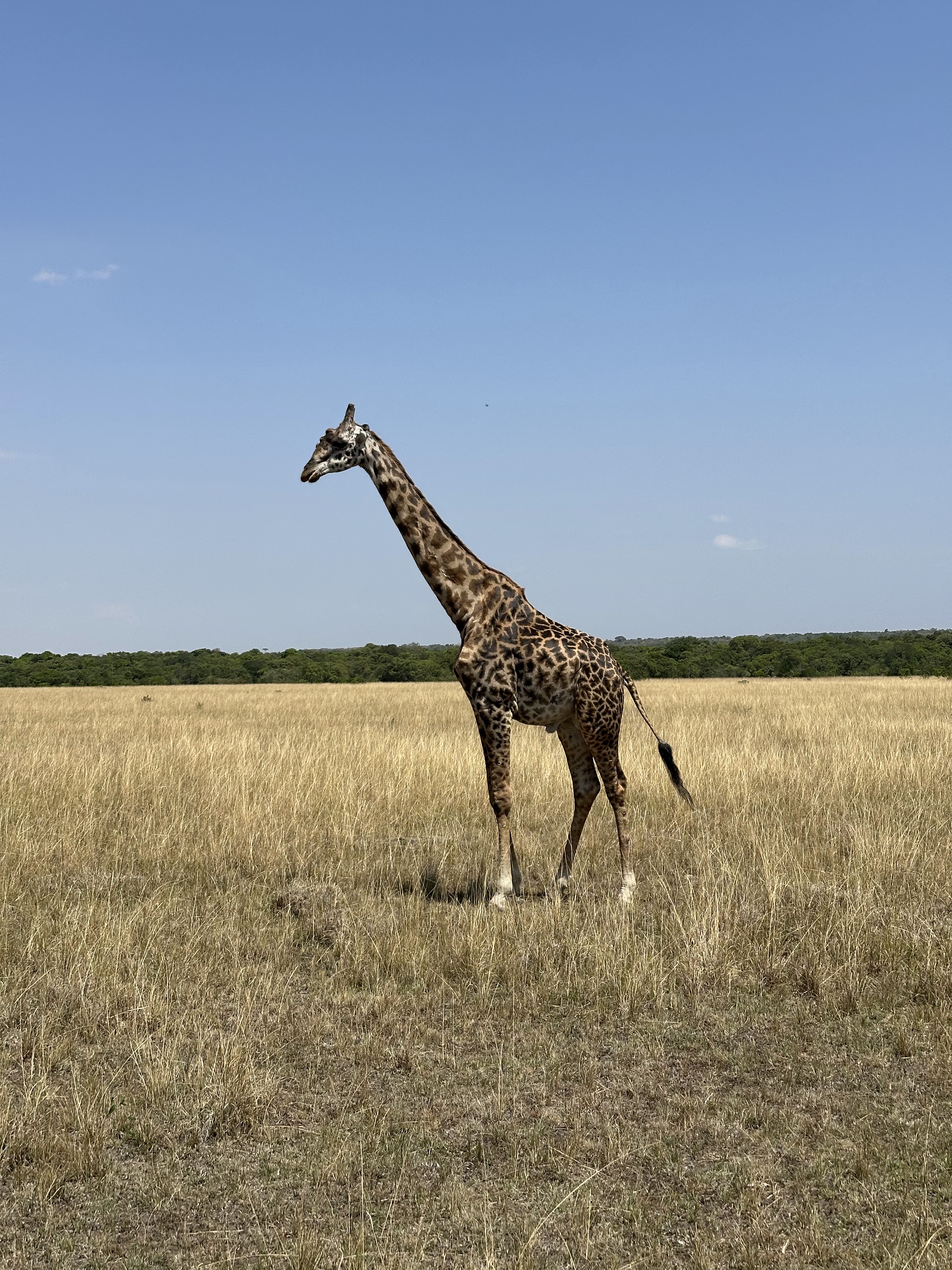
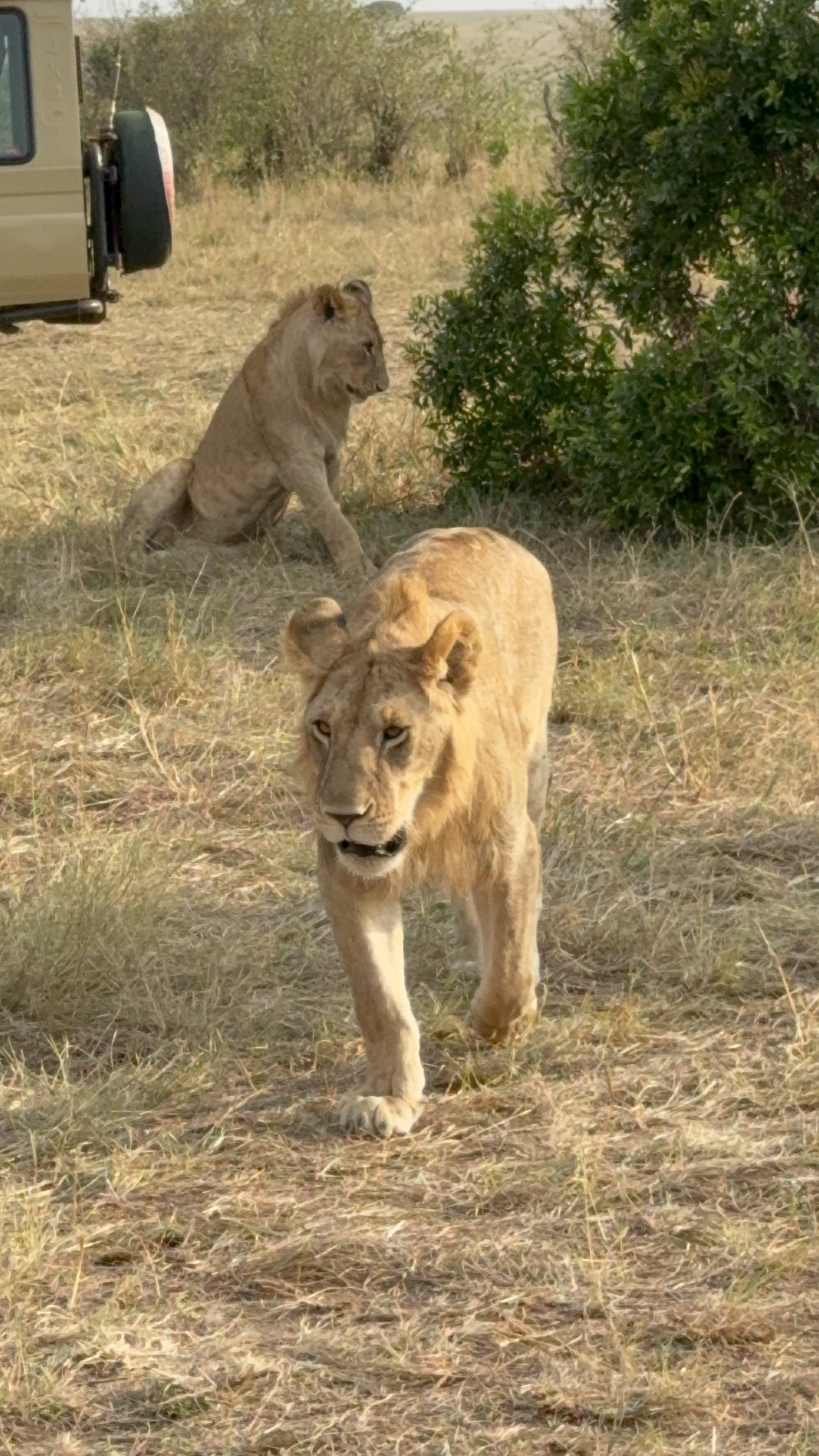
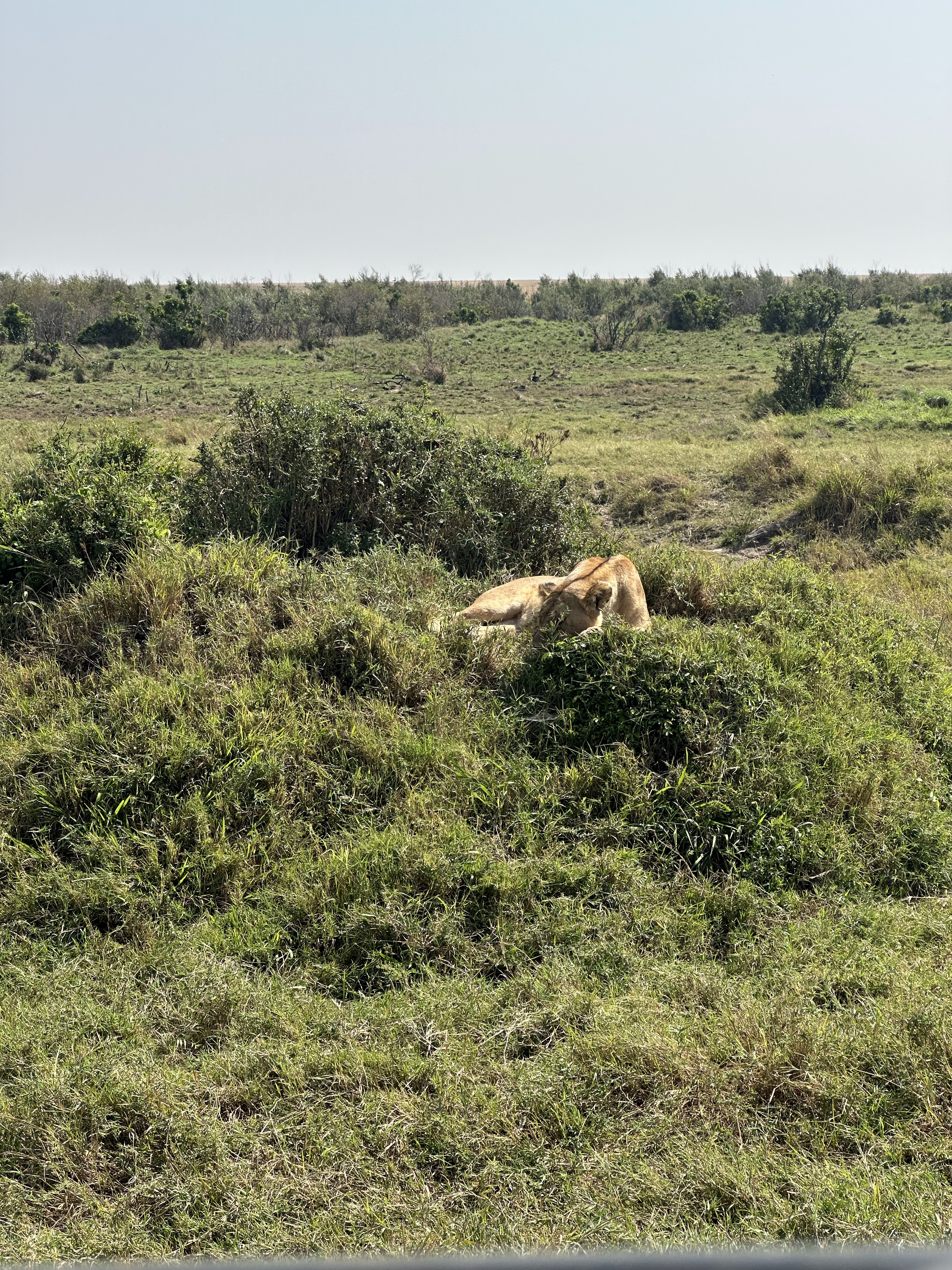
The guards in Maasai dress escorted every movement before light and after dark, scanned the perimeter to keep the hyena at bay, guarded the campsite entrance; their presence was hugely reassuring. They also satisfied the curious minds of our young people, answering any question about life in the local village. This patch of land in a conservancy at the edge of a National Park in Eastern Africa was home – although the comfort did present challenges, you can never drop your guard in an environment as harsh as this.
Our first evening was set aside to prepare for our voluntary work with Dr Caroline’s team at the Conservancy and the following morning we were able to start what we had left home for. The projects undertaken over two full days were varied. We collected data for the team, analysing which herbivores were grazing or resting in areas of the Conservancy, their number, age, gender and where they were found, which other animals they occupied the space with. We analysed dung in quadrants of land, grass quality and type. We learned how to be park rangers, how to set camera traps, how the data is recorded and used. We were herders, rangers, and for a special hour, we were white rhino keepers. This is an honour that few are given. Mucking out the overnight pen for the rhino was a privilege and as a reward, we were able to stroll next to them.
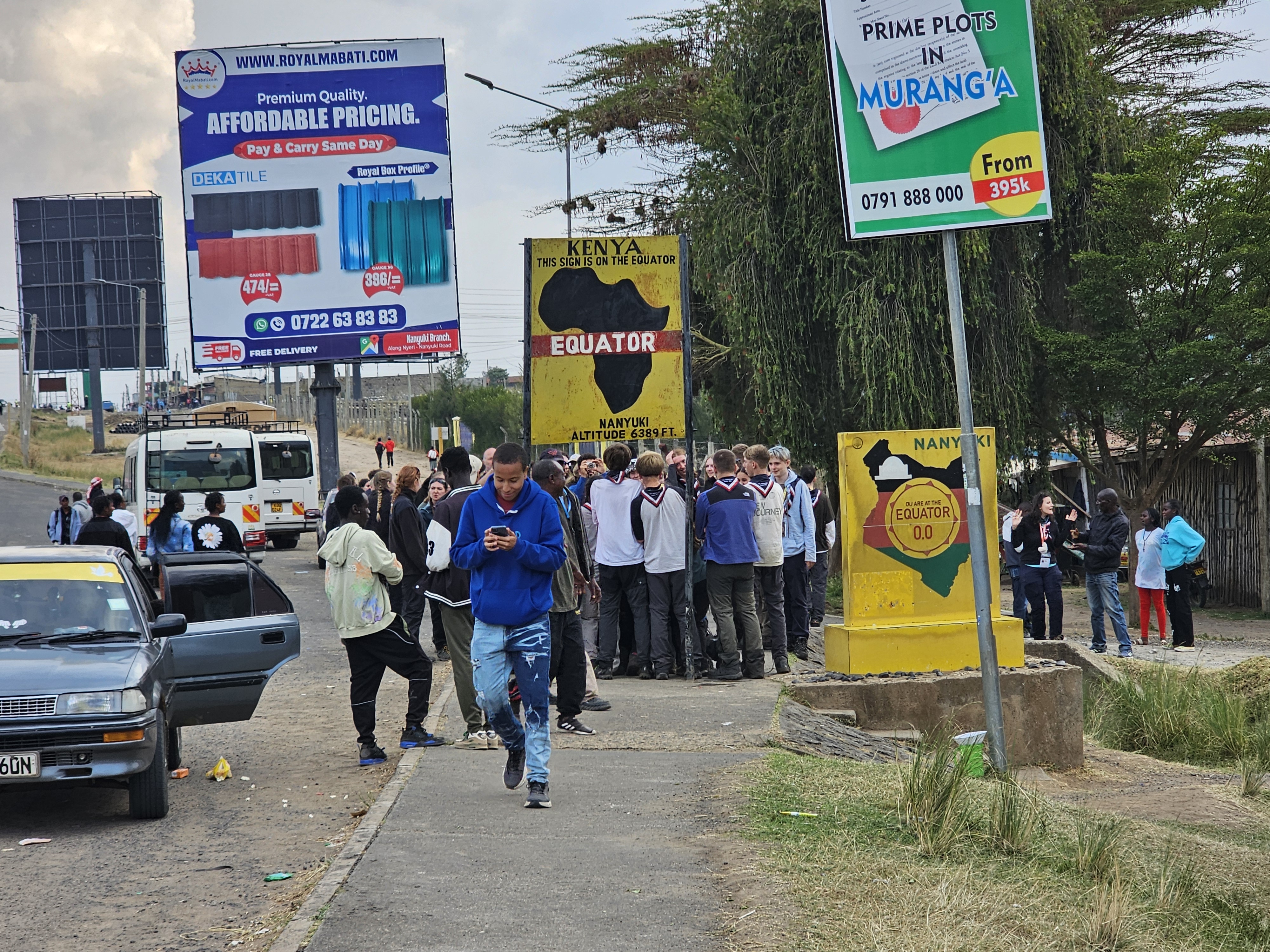
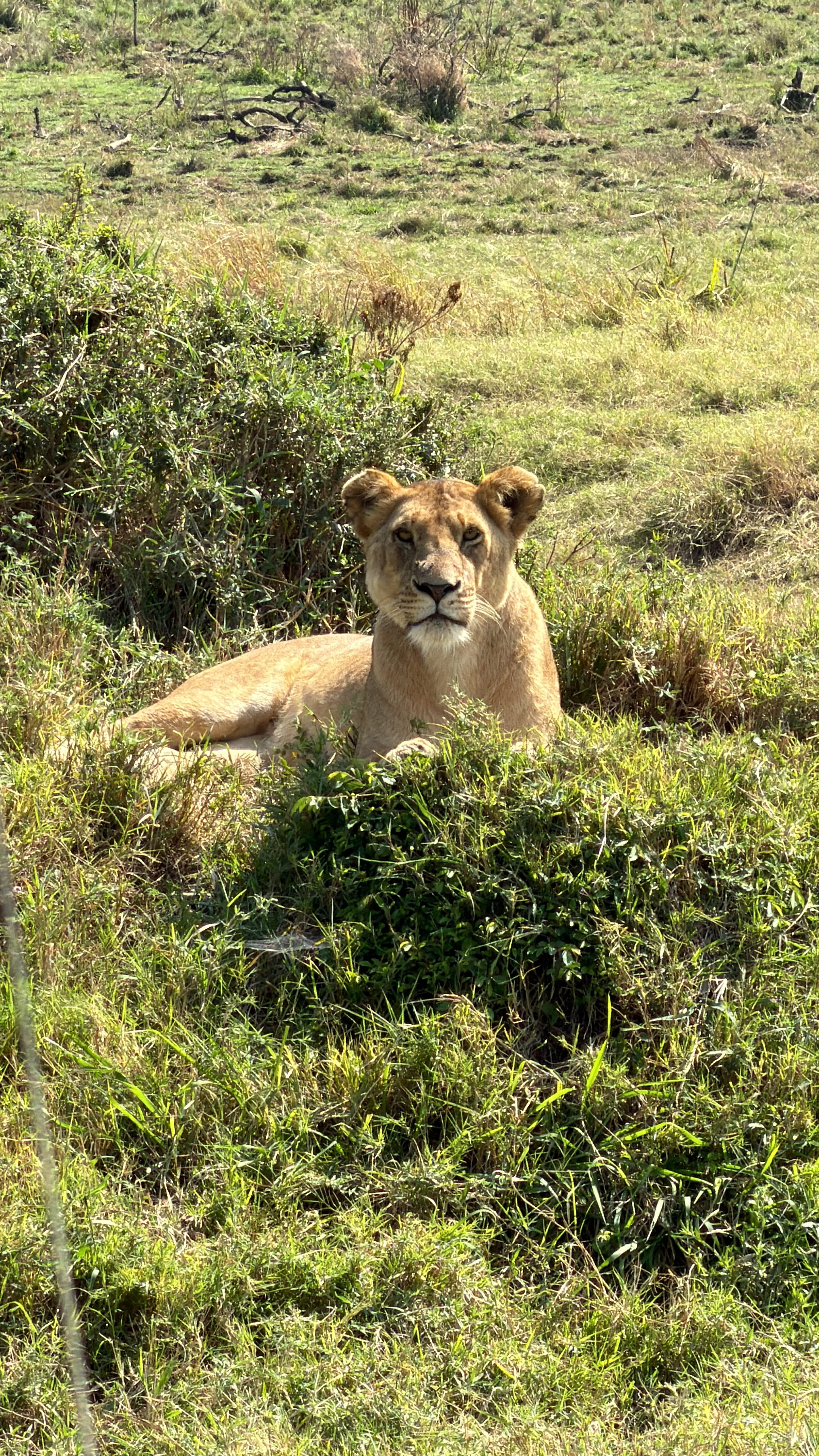
Our last complete day in the Mara was in the Game Park. We saw just about everything on this day. Leopards, ostrich, and crocodiles were added to the growing list and of course, the lions. We knew that lions were near to our campsite but weren’t lucky enough to see them. We saw plenty on safari. It was a great day. Saying goodbye to Ol Chorro and the Mara was tough, this was an experience that none of us would have again. The rest of the expedition featured long drives, sightseeing, Karen Blixen’s home, the Rift Valley viewpoint, craft stores, some downtime and one last surprise. Nothing compares to the camping experience we enjoyed, but for many of the participants, feeling a giraffe at the Giraffe Centre in Nairobi was a close second.
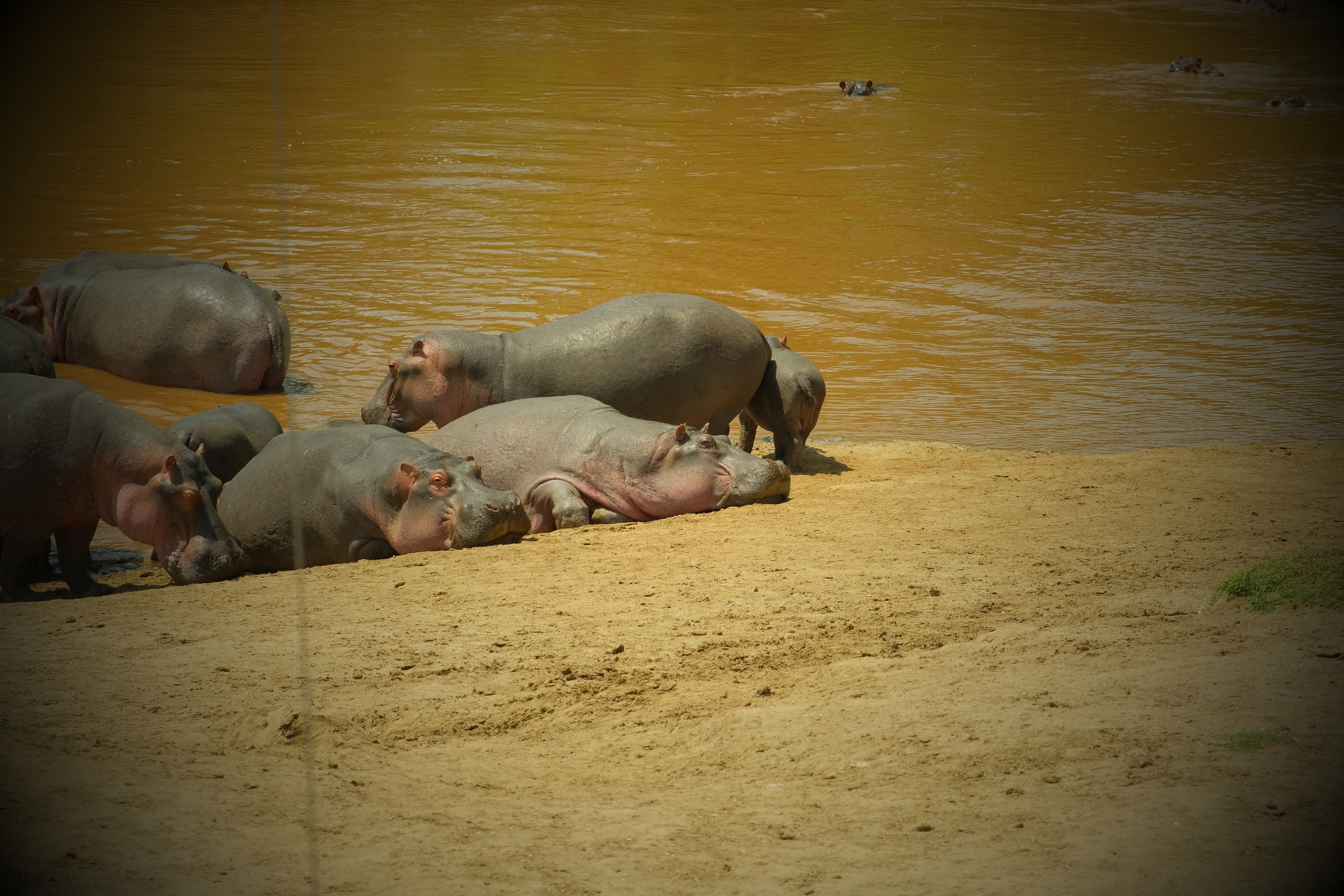

This expedition had it all. It was a packed and at times relentless itinerary. Ol Chorro had a tranquil charm that was at odds with the chaos. It was beautiful and peaceful (despite the slightly noisy laughing neighbours that came out at night to hunt for scraps). It is hard to imagine that another campsite could come close. The expedition achieved every goal and surpassed every expectation.
A Kenya 2026 video is coming soon. You can watch the previous expedition videos here https://www.youtube.com/@hattersesu5890